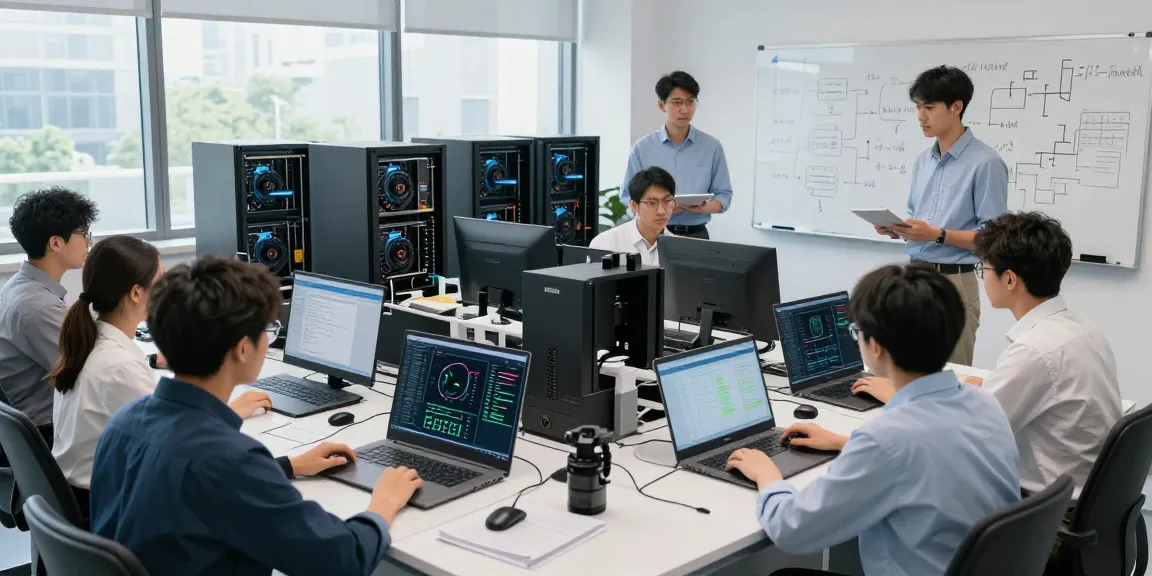
Understanding AI Image Detection
AI Image Detection has emerged as a pivotal technology in today’s digital landscape, playing a crucial role in identifying and distinguishing between images created by artificial intelligence and those captured by traditional means. As AI-generated visuals become increasingly sophisticated, the need for reliable detection mechanisms has never been more pressing. This technology is not just for tech enthusiasts or researchers; it is essential for journalists, media organizations, marketers, and anyone who engages with digital content. As we delve deeper into this topic, we will explore how these detection technologies function, the challenges they face, and their importance in maintaining the integrity of digital media. When exploring options, AI Image Detection provides comprehensive insights into this evolving field.
What is AI Image Detection?
AI Image Detection refers to the various methods and technologies employed to ascertain whether an image has been generated by an artificial intelligence algorithm or captured in reality. With advancements in generative adversarial networks (GANs) and deep learning, the line between synthesized images and real ones has blurred significantly. Detection involves analyzing image data by utilizing sophisticated algorithms that can identify unique patterns, artifacts, or inconsistencies inherent in AI-generated images. Various tools and platforms have been developed to automate this process, enabling users to quickly and effectively determine the origin of an image.
The Importance of Detection in Digital Media
In an age dominated by visual content, understanding the authenticity of images is crucial. AI-generated images can be used maliciously in disinformation campaigns or social media manipulation, leading to serious societal consequences. The ability to identify these synthetic images is vital for maintaining trust in media. Moreover, it aids in the fight against copyright infringement, as artists and creators seek to protect their work from unauthorized use. AI Image Detection technologies play an essential role in safeguarding the integrity of visual storytelling.
How AI Detection Technologies Work
AI detection systems utilize a range of techniques, often revolving around machine learning models trained on vast datasets of images. These models learn distinguishable features that differentiate AI-generated images from those captured through cameras. Techniques such as convolutional neural networks (CNNs) are commonly employed to analyze pixel data and recognize patterns. The effectiveness of these systems relies heavily on the quality of the training data and the algorithms used in processing the images. Continuous advancements in AI technology necessitate constant updates to detection methods to keep pace with new forms of image generation.
Common Challenges in AI Image Detection
Identifying AI-Generated Images Accurately
One major challenge facing AI Image Detection is the accuracy of distinguishing between generated and real images. As image-generation algorithms improve, they produce visuals that are increasingly indistinguishable from real photographs. This has led to higher false negatives, where AI-generated images are wrongly classified as genuine. Sophisticated tracking and learning algorithms must continually evolve to adapt to these advancements. The challenge lies not only in refining the detection process but also in developing a more nuanced understanding of what constitutes an authentic image.
Overcoming Misconceptions about AI Image Outputs
Many users harbor misconceptions about AI-generated images. A common belief is that all AI-generated images have obvious flaws that can be detected easily. However, as technology progresses, these supposed flaws diminish, resulting in images that can fool even trained professionals. Education about the capabilities of AI-generated content is essential for anyone working in fields reliant on image authenticity. Misunderstandings can lead to overconfidence in detection tools and the potential for misinformation being propagated.
Technical Limitations in Current Detection Tools
Current detection tools often struggle with several technical limitations. For example, they may be unable to effectively analyze images that have undergone post-processing or manipulation after generation. This creates a significant gap in detection capabilities, as many users modify images before sharing them, complicating the detection process. Additionally, the computational power required for real-time detection remains a barrier for widespread application in various industries.
Best Practices for Image Detection
Strategies for Enhancing Detection Accuracy
To tackle the challenges associated with AI Image Detection, several strategies can enhance detection accuracy. First, continuously updating training datasets with the latest developments in AI image generation is critical. This ensures that detection algorithms remain relevant and capable of identifying newly generated images. Implementing multi-faceted approaches, such as combining various detection methods—like feature extraction and classification—can also improve accuracy. Lastly, fostering collaboration among researchers, developers, and industry professionals can lead to more robust detection strategies.
Integrating AI Image Detection in Workflows
For organizations, integrating AI Image Detection into existing workflows can streamline processes and enhance content validation. Incorporating detection tools at key points in production and distribution ensures that AI-generated content is flagged before publication. This is particularly relevant for journalism, marketing, and content creation where authenticity is paramount. Training teams on the use of these tools further increases their efficacy and instills a culture of integrity in content creation.
Utilizing Data Visualization for Insights
Data visualization can play a pivotal role in understanding the patterns and trends relating to AI Image Detection. By analyzing detection results visually, organizations can identify common characteristics of AI-generated images, aiding in the development of more effective detection tools. This approach not only improves the technical aspects of detection but also enhances education around the implications of synthetic media, helping stakeholders make informed decisions.
Real-World Applications of AI Image Detection
Case Studies: Successful Implementations
Organizations across various sectors have successfully implemented AI Image Detection technologies. For example, news outlets utilize these tools to enhance credibility in reporting, ensuring that the images they publish are authentic and not misleading. Additionally, e-commerce platforms rely on detection methods to protect their brands from counterfeit products that may use AI-generated imagery to deceive customers. These case studies highlight the versatility and necessity of AI Image Detection in today’s media ecosystem.
Analyzing AI Image Detection in Media and Journalism
The media industry is at the forefront of employing AI Image Detection tools. By verifying images before publication, journalists can uphold ethical standards and combat misinformation. Leading news organizations have integrated detection technologies into their editorial processes, resulting in increased trust from audiences. Furthermore, investigative journalism relies heavily on authentic image verification to substantiate claims, making AI detection a vital tool in this field.
Impacts on Social Media and User-Generated Content
As social media platforms continue to grow, the impact of AI Image Detection becomes increasingly significant. User-generated content can often include AI-generated images that may mislead or misinform audiences. By leveraging detection tools, these platforms can implement stricter content moderation policies, ensuring that users are not exposed to manipulated visuals. This contributes to a healthier online environment where authenticity is prioritized.
The Future of AI Image Detection
Emerging Technologies and Trends for 2026
The future of AI Image Detection is promising, with emerging technologies set to reshape the landscape. Advances in quantum computing may allow for faster and more sophisticated detection methods that can process data at unprecedented speeds. Additionally, the integration of deep learning with neural networks is expected to yield more accurate detection systems that can adapt to evolving AI image generation techniques. As a result, the capabilities of detection tools will expand, offering more precision and reliability.
Ethical Considerations in AI Detection
As AI Image Detection technologies advance, ethical considerations must also be addressed. Issues surrounding privacy, consent, and the misuse of detection tools for surveillance or censorship are prominent concerns. Establishing ethical guidelines and accountability within the industry is crucial as organizations adopt these technologies. Transparency in how detection algorithms are developed and employed will help build public trust and acceptance.
Preparing for the Next Generation of AI Image Detection
To prepare for the next generation of AI Image Detection, stakeholders must foster an environment of continuous learning and adaptation. Organizations should invest in research and development to stay ahead of evolving technologies. Collaborating with academic institutions and industry leaders will also enhance knowledge sharing and innovation. By proactively addressing potential challenges and setting industry standards, we can ensure that AI Image Detection remains a critical asset in safeguarding digital content authenticity.
What are the key benefits of AI Image Detection?
The key benefits of AI Image Detection extend beyond mere identification of synthetic images. Enhanced security in digital media, protection against misinformation, and improved content integrity are just a few advantages. Organizations implementing these technologies can instill confidence in their audiences and safeguard their reputations in an increasingly complex digital landscape.
How does AI Image Detection enhance security?
AI Image Detection enhances security by providing a systematic approach to validating visual content. This is particularly vital in sectors such as finance, law enforcement, and media, where the authenticity of images can directly impact decisions and actions. By employing sophisticated detection tools, organizations can mitigate risks associated with deception, fraud, and misinformation.
What tools are best for AI Image Detection?
Several tools and platforms currently lead the market in AI Image Detection, each offering unique features tailored to specific use cases. Comprehensive solutions like ZeroGPT, Sightengine, and WasItAI vary in capabilities, from detecting deepfakes to analyzing social media content. Organizations should evaluate their specific needs and select a tool that aligns with their operational requirements.
Can AI Image Detection be bypassed?
While AI Image Detection tools are advancing, it remains possible for some sophisticated AI-generated images to bypass detection. This underscores the continuous arms race between image generation capabilities and detection technologies. Ongoing research and adaptation are essential to close these gaps and ensure detection remains effective against evolving threats.
What are the industry standards in AI Image Detection?
Establishing industry standards for AI Image Detection is vital for consistency and reliability. These standards should encompass best practices for algorithm transparency, accuracy metrics, and ethical use of detection technologies. Collaborations among stakeholders, including regulatory bodies, technology developers, and end-users, can facilitate the establishment of these standards, promoting trust and efficacy within the industry.