Understanding Bed Bug Heat Treatment
What is Bed Bug Heat Treatment?
Bed bug heat treatment is an innovative and effective method for eradicating bed bugs from infested areas. Unlike traditional chemical treatments, which may leave behind harmful residues or require multiple applications, bed bug heat treatment uses high temperatures to eliminate these pests at all life stages, including their eggs. The process typically involves raising the ambient temperature of the infested area to a lethal level, usually around 120°F to 140°F (49°C to 60°C), and maintaining that temperature for several hours.
This method has gained popularity due to its effectiveness and non-toxic nature. As heat penetrates furniture, walls, and other hard-to-reach areas, it ensures that bed bugs hiding in crevices are also exterminated. For additional information on effective pest management solutions, you may explore bed bug heat treatment options and services.
How Does Heat Treatment Work?
The science behind bed bug heat treatment is relatively straightforward. Bed bugs are cold-blooded insects that cannot regulate their body temperature. When exposed to heat above certain thresholds, typically around 113°F (45°C), they begin to experience distress and, ultimately, death at temperatures exceeding 120°F (49°C). Heat treatment works by utilizing specialized heaters to uniformly raise the temperature within a room or structure affected by bed bugs.
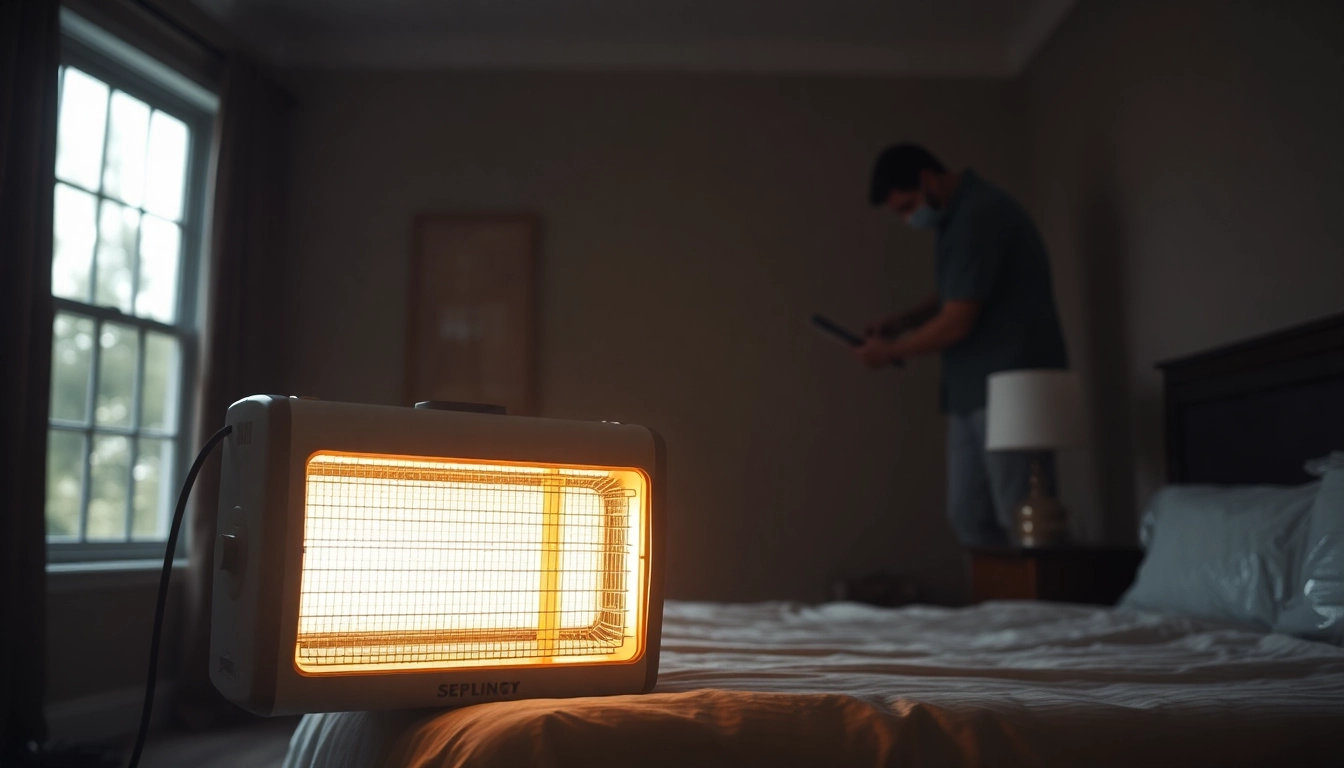
During the treatment process, technicians strategically place heat sources such as electric or propane heaters throughout the infested area. Sensors are often used to monitor the ambient temperature and ensure it reaches uniformity. This is crucial because heat needs to penetrate various surfaces where bed bugs may hide, such as inside mattresses, behind baseboards, and within the walls. The duration of the treatment can vary but typically lasts between four to six hours, depending on the level of infestation and the structure's layout.
Comparison with Other Treatment Methods
In comparison to traditional methods such as chemical sprays or dusts, bed bug heat treatment offers several distinct advantages:
- Effectiveness: Heat treatment can kill all life stages of bed bugs in a single application, while chemical treatments often require follow-up visits and multiple applications to achieve similar results.
- Safety: Chemical residues can pose health risks to humans and pets. Heat treatment is non-toxic and does not leave harmful chemicals behind.
- Time Efficiency: Heat treatments can typically be completed within one day, allowing homeowners to reclaim their spaces faster than with chemical methods, which may require prolonged vacating periods.
- Environmentally Friendly: This method has minimal impact on the environment, as it does not introduce additional chemicals into living spaces.
Benefits of Bed Bug Heat Treatment
Non-Toxic Solution for Eradication
One of the most significant benefits of bed bug heat treatment is its non-toxic nature. Unlike traditional chemical pesticides, which can leave harmful residues and require strict precautions, heat treatment uses no chemicals at all. This makes it a preferable choice for families with small children, pets, or for individuals with chemical sensitivities.
Furthermore, by not relying on chemical substances, the possibility of creating resistant bed bug populations, a growing concern among pest control professionals, is significantly reduced. This is because bed bugs may develop resistance to specific chemicals over time, while exposing them to high temperatures effectively circumvents this issue.
Speed and Efficiency of Heat Treatment
Speed is another notable advantage of heat treatment. In many cases, infestation treatment can be completed within just a few hours, causing minimal disruption to your daily life. Given that heat penetrates materials evenly, it reaches bed bugs hiding in the most inaccessible areas. This direct effect significantly reduces the time required for multiple treatments and ensures that all life stages of the insects are exterminated in one go.
Moreover, businesses and hotels can benefit from this method as it allows them to maintain operations without lengthy closures. With proper planning, heat treatment can be conducted after hours, providing quick turnover between guests.
Safe for Family and Pets
Safety is paramount when choosing a pest control method, especially for households with pets and children. Bed bug heat treatment eliminates the need for potentially harmful chemicals, providing peace of mind for homeowners worried about the health of their loved ones as well as their pets.
After treatment, the treated area can be safely re-entered almost immediately, unlike chemical treatments, which may require a waiting period after application. This increased safety and quicker return to normal living conditions make heat treatment an appealing option for families looking to eradicate bed bugs without the risks associated with toxic chemicals.
Preparing for Bed Bug Heat Treatment
Steps to Take Before Treatment
Preparation is crucial to the success of bed bug heat treatment. Homeowners should take several steps to ensure the process goes smoothly:
- Declutter the Infested Area: Remove any unnecessary items, especially fabric or clutter that may provide additional hiding places for bed bugs.
- Provide Access: Ensure that technicians can easily access all rooms, closets, and furniture where treatment is needed.
- Remove Heat-Sensitive Items: Take out electronics, candles, and any other heat-sensitive items to prevent damage.
- Wash and Dry Linens: Wash bedding, clothes, and linens to help eliminate eggs and live bugs. Dry them on high heat for at least 30 minutes.
- Treat Pets: Ensure that pets are taken to a safe location during treatment.
Common Mistakes to Avoid
While preparing for bed bug heat treatment, homeowners often make mistakes that can undermine the process:
- Skipping the Prep Work: Failing to declutter or prepare the area can result in heat not penetrating effectively, making some bugs and eggs hard to eliminate.
- Ignoring Instructions: Not following the exterminator's guidance can lead to inadequate treatment and reinfestation.
- Postponing Follow-Up Inspections: After treatment, neglecting to inspect regularly can let any surviving bugs breed and establish a new infestation.
Equipment Needed for Effective Treatment
Heat treatment requires specific equipment to be effective:
- High-Temperature Heaters: Specialized heaters that can raise the ambient temperature to lethal levels.
- Thermal Sensors: Instruments used to monitor temperature and ensure it remains at an effective level throughout the treatment.
- Fans: Fans may be used to help circulate the hot air throughout the treated areas, ensuring even heat distribution.
Post-Treatment Care and Maintenance
Inspecting and Maintaining Your Space
After the heat treatment has been completed, it's vital to conduct careful inspections of your home. Start by checking for any signs of remaining bed bugs or their eggs, such as shed skins or dark stains on mattresses or bedding. Regular inspections should be conducted over the following weeks to ensure no pests have survived.
Maintenance of your space is also crucial. Vacuum regularly with a high-efficiency particulate air (HEPA) filter and periodically wash bedding and clothing in hot water to eliminate potential trouble spots.
Dealing with Potential Reinfestation
Reinfestation can occur if any bed bugs or eggs were missed during the treatment or if new bites are brought home from elsewhere. Be vigilant and mindful of the signs, such as bites or dark spots on bedding. If you suspect a reinfestation, do not hesitate to contact a pest control professional for a follow-up assessment.
Best Practices for Long-Term Prevention
Preventing future infestations requires proactive measures:
- Encasements: Use mattress and box spring encasements designed specifically to prevent bed bugs from entering or escaping.
- Regular Inspections: Check your home regularly, particularly after travel, to catch any potential infestations early.
- Educate Yourself: Learn to identify bed bugs and their droppings, so you can act quickly if you notice any signs.
Frequently Asked Questions about Bed Bug Heat Treatment
What Makes Heat Treatment Effective Against Bed Bugs?
Heat treatment is effective because it raises temperatures to levels lethal to all life stages of bed bugs, including their eggs. This ensures complete eradication without chemical residues.
How Long Does Bed Bug Heat Treatment Last?
The effects of bed bug heat treatment can be long-lasting, provided that preventative measures are taken. Typically, a single treatment can keep infestations at bay for months.
Can I Do Bed Bug Heat Treatment Myself?
While DIY heat treatments are possible, they can be risky. Professional exterminators have the training and equipment necessary to ensure the treatment is effective and safe.
What Are the Costs Associated with Heat Treatment?
Costs vary based on the magnitude of the infestation and the area treated. However, many find that the efficiency and speed of heat treatment offer significant savings in the long run.
Is Heat Treatment Safe for Valuable Items?
Heat treatment is generally safe for most household items. However, you should remove sensitive electronics or valuables before the treatment to prevent heat damage.