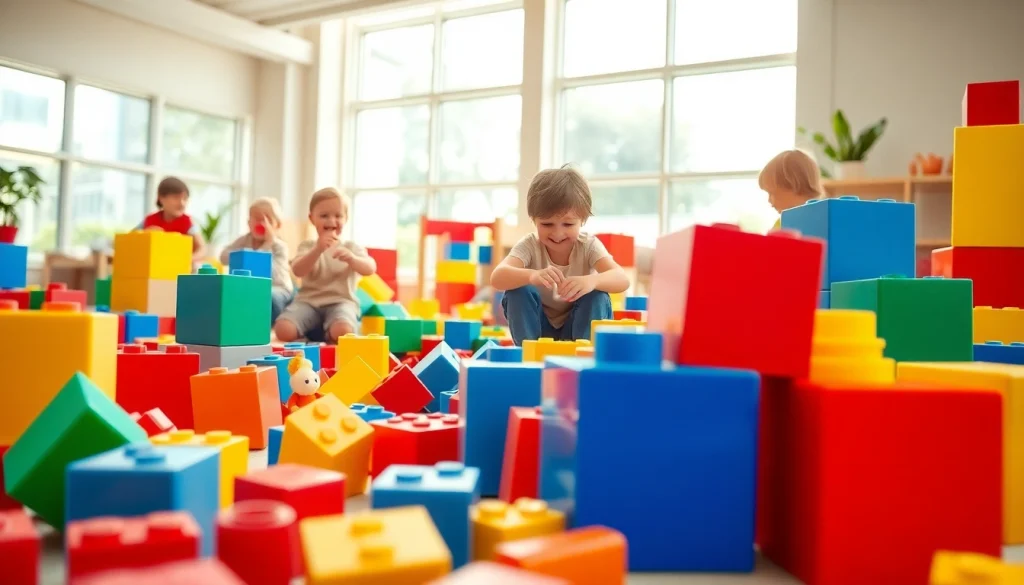
Introduction to Giant Building Blocks
Giant building blocks have become a favored tool in early childhood development, offering a unique blend of fun, creativity, and learning. These oversized foam blocks are not just a source of entertainment; they provide numerous educational benefits and opportunities for children to explore their physical and cognitive abilities. Parents and educators alike are turning to these versatile playthings to foster a stimulating environment that promotes exploration and innovation. If you're interested in exploring this fun world further, you can get the details on how to integrate these building blocks into playtime effectively.
What Are Giant Building Blocks?
Giant building blocks are large foam blocks designed for children to stack, build, and create structures. Typically made of soft, lightweight material, these blocks come in various sizes and shapes, allowing for endless possibilities in play. Unlike traditional wooden or plastic blocks, foam building blocks are cushioned and safe for indoor use, making them ideal for both home and educational settings. Their dimensions can range from a few inches to several feet, encouraging children to think big when constructing their imaginary environments.
Benefits of Play with Foam Blocks
Engaging in play with foam blocks offers a multitude of benefits for child development. Firstly, it enhances gross motor skills as children learn to lift, balance, and stack materials. The texture and weight of foam blocks provide a different sensory experience, helping improve tactile skills. Moreover, building activities promote problem-solving abilities, allowing kids to experiment with different designs and structures. This type of imaginative play is essential for cognitive growth and fosters an early understanding of physics principles—like balance, gravity, and spatial orientation.
Safety Considerations for Indoor Use
Safety is a primary concern when it comes to children’s toys, and soft foam building blocks excel in this area. Made of non-toxic materials, they are safe for all ages and don’t pose a choking hazard typically associated with smaller toys. Their soft nature means fewer injuries during play, allowing children to move freely without the risk of serious harm. It's advisable, however, to regularly inspect the blocks for wear and tear, ensuring they remain safe for continued use.
Creative Ideas for Playtime
Once you have incorporated giant building blocks into your play environment, the possibilities for creativity are virtually endless. By exploring a few structured play ideas, parents and educators can help children maximize their engagement and learning outcomes.
Simple Structures to Build
Building simple structures can spark a child’s imagination. Start with a basic design such as a tower or house, allowing children to follow their instincts in constructing walls and roofs. Encourage them to experiment with different configurations, like adding multiple levels or even creating a bridge. Assemblies can be further enhanced by having them decorate their creations with fabric or paper, transforming a simple structure into a whimsical playhouse. This activity not only hones physical skills but also encourages critical thinking as they learn to reinforce their designs for stability.
Incorporating Themes in Play
Themed play can enhance children's imaginative capacity, transforming basic block play into exciting adventures. Choose themes such as "space exploration," "castles and dragons," or "underwater worlds." By incorporating themed costumes and props, the entire play experience becomes an immersive story. For instance, if the theme is a castle, children can work together to construct towers and walls while wearing princess or knight outfits. This approach not only fuels creativity but also enriches social interaction as children take on different roles within their theme.
Group Games for Collaboration
Group games utilizing giant building blocks foster collaboration and teamwork among children. Activities such as “Block Relay,” where teams compete to build the tallest structure within a time limit, can teach valuable lessons about cooperation and strategy. Alternatively, “Block Sculpture,” where children work together to create a collective masterpiece, emphasizes collaborative effort and communication. Such games develop social skills and set a foundation for understanding group dynamics, all while keeping playtime enjoyable and engaging.
Choosing the Right Materials
When considering the addition of giant building blocks to your child’s play environment, understanding the options available can help ensure you choose the best materials for their needs.
Types of Foam Blocks Available
There is a variety of foam blocks available on the market, each tailored to different age groups and play styles. Standard foam blocks are versatile and come in several shapes and sizes, perfect for general construction. High-density foam blocks are more durable and can withstand rough play, making them ideal for outdoor use. For younger children, consider blocks that are softer and lightweight, as they are easier to handle and less likely to cause injury. When shopping, look for sets that include a mixture of shapes, such as squares, rectangles, cylinders, and arches, to allow for more diverse building opportunities.
Evaluating Quality and Safety
Not all foam blocks are created equal, and it is essential to evaluate their quality. Look for blocks that are made from high-grade, non-toxic foam that meets safety standards for children's toys. A good set will not only be soft and safe but also durable enough to last through years of play. Check for reviews or certifications from recognized safety organizations to ensure you are making a wise purchase. Inspect the blocks before use; ensure there are no sharp edges, and that the surfaces are smooth to prevent potential injuries.
Price Ranges and What to Expect
The price of giant building blocks can vary significantly based on factors such as material quality, brand reputation, and included shapes. Basic foam block sets can start around a modest price, while comprehensive kits with diverse shapes and sizes could run significantly higher. It's crucial to consider your budget while also taking into account the quality and safety features. Investing in higher-quality blocks may result in a better overall experience and longevity of play.
Maximizing Fun and Learning
To truly unleash the potential of giant building blocks, it's essential to integrate fun learning activities into each play session.
Building Cognitive Skills Through Play
Cognitive development is enhanced through the process of building. While assembling structures, children engage in problem-solving processes, honing their strategic thinking abilities. Consider activities that encourage geometry recognition by asking children to create specific shapes or patterns. Furthermore, introducing challenges that require alteration of pre-existing structures can also enhance critical thinking as they navigate potential failures and adjustments. As they play, you'll find they are naturally learning about cause and effect, balance, and architecture.
Fostering Social Interactions Among Kids
Social development is crucial during childhood, and giant building blocks provide an engaging platform for interaction. Play sessions can include structured activities where children are required to share materials and ideas, promoting communication and teamwork. As they collaborate, they also learn to negotiate and resolve conflicts, reinforcing essential social skills. Encouraging open discussions about their creations enables emotional expression and builds a sense of community among peers, crucial for developing interpersonal relationships.
Encouraging Imagination and Creativity
One of the most significant benefits of foam block play is its ability to foster creativity. Unstructured play allows children to build freely, inviting them to think outside the box. You can enhance creative building experiences by introducing storytelling elements—asking them to build according to a specific narrative can stretch their imaginations. Encourage them to create scenes that depict their favorite books or movies, enhancing their connection to these stories. Such imaginative play supports emotional development as they express themselves through their creations.
FAQ: Common Questions About Giant Building Blocks
How are giant building blocks beneficial for kids?
Giant building blocks enhance gross motor skills, cognitive development, and social interactions, fostering creativity and problem-solving abilities essential for overall growth.
What age group is suitable for soft foam building blocks?
Soft foam building blocks are generally suitable for children aged 1 year and above, as they promote safe and creative play for toddlers and preschoolers.
Are giant building blocks safe for indoor play?
Yes, soft foam building blocks are designed for safe indoor play, minimizing the risk of injury due to their soft and lightweight materials.
How can I encourage collaborative play with building blocks?
Encourage collaborative play by organizing group building challenges or thematic construction projects, promoting communication and teamwork among children.
Where can I purchase high-quality foam blocks?
High-quality foam blocks can be found online from various retailers specializing in educational toys, or at local stores that focus on children’s playtime essentials.