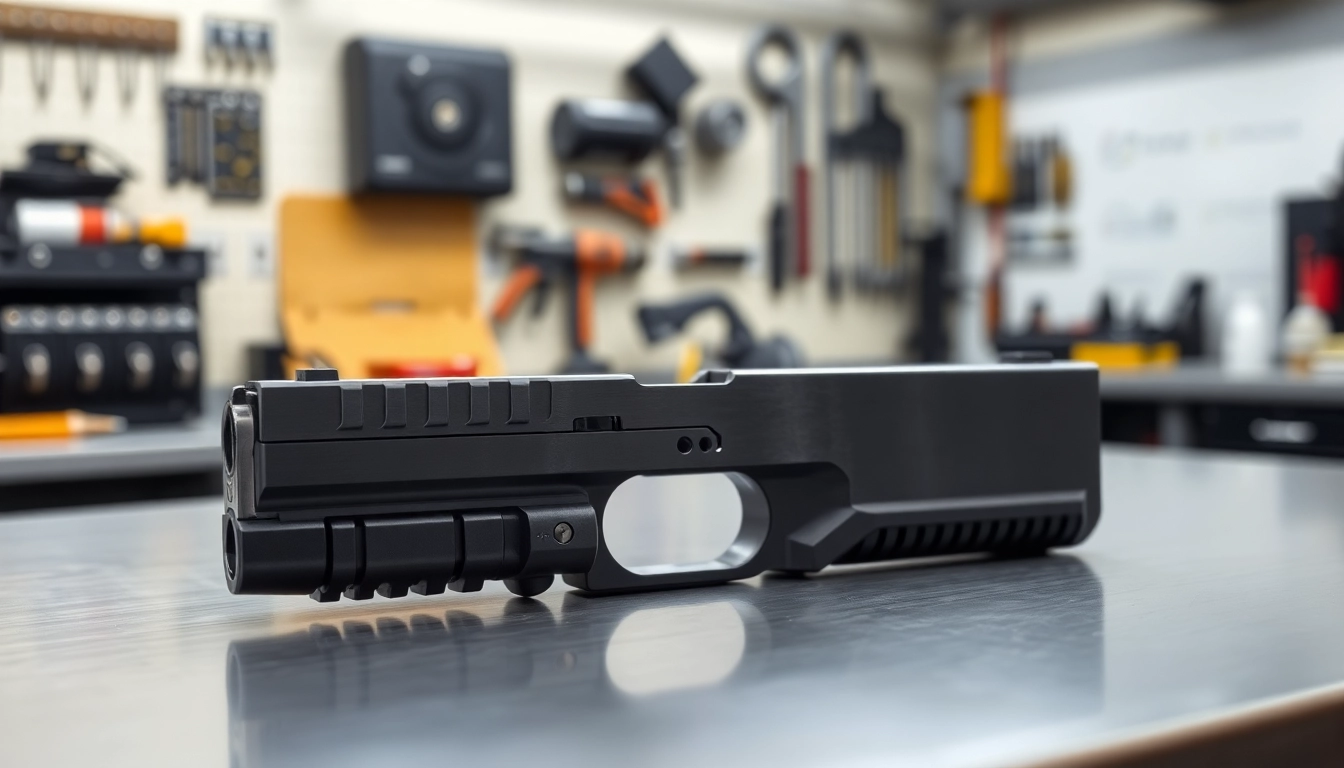
Understanding the Glock 43 Slide
Basics of the Glock 43 Slide
The Glock 43 slide serves as the upper component on the Glock 43, a compact 9mm pistol designed with concealed carry in mind. One of the primary functions of the slide is to house and protect essential internal components like the barrel, recoil spring, and firing mechanism. This slide not only facilitates the cycling of ammunition but also plays a critical role in the firearm’s overall weight, balance, and ergonomics.
Features and Specifications
Typically made from high-strength polymer and steel, the Glock 43 slide is engineered for durability. It is precision-machined to accommodate various aftermarket upgrades, such as optics and enhanced sights. Key specifications include an overall length of 6.26 inches, a height of 4.25 inches, and a width of just over 1 inch, making it one of the slimmest options in Glock's collection. The slide's surface usually features aggressive serrations for improved grip during slide manipulation.
Why Upgrade Your Glock 43 Slide?
Upgrading your Glock 43 slide can significantly improve performance, aesthetics, and personal customization. Many enthusiasts choose to replace their stock slides with aftermarket options to enhance accuracy, reduce weight, and accommodate optics for quicker targeting. Additionally, a broader selection of finishes and colors allows owners to make their firearm more personalized. For those looking for a significant change, glock 43 slide upgrades offer numerous enhancements in form and function.
Choosing the Right Glock 43 Slide
Aftermarket vs. OEM Options
When selecting a Glock 43 slide, you typically have two choices: OEM (Original Equipment Manufacturer) and aftermarket options. OEM slides are designed and manufactured by Glock and offer a guarantee of compatibility and durability, retaining the original firearm design specifications. In contrast, aftermarket slides are produced by third-party manufacturers and often feature unique enhancements, customizations, or performance-focused upgrades. Depending on your shooting needs and style, either option may serve you well.
Key Considerations When Selecting
The selection process for a Glock 43 slide involves several important considerations, including:
- Quality and Material: Look for high-quality, durable materials such as 416 stainless steel or aluminum, which can withstand wear and tear effectively.
- Compatibility: Ensure the slide is designed specifically for the Glock 43 to avoid any fit issues.
- Customization Options: Some slides offer integrated optic cuts or specific aesthetic features that may be valuable to you.
- Finish: Various finishes such as nitride or Cerakote can enhance both appearance and corrosion resistance.
Popular Run Options for the Glock 43 Slide
Several popular aftermarket slides exist on the market, catering to a range of preferences and shooting styles:
- Optic-Ready Slides: These slides come with pre-cut spaces for mounting red-dot sights, enhancing targeting speed.
- Threaded Slides: Ideal for those interested in suppressing their firearm, threaded slides allow for easy attachment of muzzle devices.
- Custom Cerakote Finishes: Custom colors can personalize your Glock 43, making it more visually appealing.
Installation Process for Glock 43 Slide
Tools Required for Installation
Installing a new Glock 43 slide can be straightforward with the correct tools. Required items typically include:
- Torque wrench or screwdriver
- Armorer’s tool (for Glock components)
- Cleaning materials (to ensure all parts are free from debris)
- Punches and hammers (for removing the existing slide and installing new components)
Step-by-Step Installation Guide
To successfully install your new Glock 43 slide, follow these steps:
- Unload the Firearm: Ensure your Glock 43 is unloaded, and verify the absence of ammunition in the vicinity.
- Remove Existing Slide: Use the armorer’s tool to depress the slide lock and pull the slide off the frame.
- Prepare the New Slide: Inspect the new slide for any damage and clean all contact points.
- Install New Slide: Align the new slide with the frame and press it into place until it locks into position.
- Install Any Additional Parts: If your new slide includes parts like guide rods, ensure these are installed correctly.
- Test the Action: Rack the slide back and forth to check the operation. Conduct a function test ensuring safety features work.
Troubleshooting Common Issues
Common issues during slide installation can include misalignment or failure to lock. If you encounter resistance during installation:
- Double-check the alignment – ensure all parts are seated properly.
- Inspect for foreign objects that may be obstructing the slide.
- Consult the manufacturer’s specifications if using aftermarket parts.
Performance Enhancements with Glock 43 Slide
Accuracy Improvements
Many users report enhanced accuracy with upgraded Glock 43 slides. These improvements can stem from a variety of factors, including tighter manufacturing tolerances, and lightweight designs affecting recoil. Utilizing after-market barrels in conjunction with upgraded slides can further accentuate these benefits.
Reliability and Durability Benefits
Aftermarket Glock 43 slides often utilize advanced materials and finishes that provide increased durability and resistance to corrosion. This means that your firearm is less likely to suffer performance issues over time, especially when used in various environments or conditions.
Customization and Aesthetic Enhancements
Custom slides allow users to tailor the look and feel of their Glock 43 extensively. Personalizing the aesthetic can involve unique engraving, different color finishes, or additional features such as slide cuts or windowing that create a distinct profile for your firearm.
Maintaining Your Glock 43 Slide
Regular Cleaning Practices
Consistent maintenance is crucial for the longevity and functionality of your Glock 43 slide. Cleaning should be performed regularly after use. Use a brush and cleaning solvent to clear away fouling, and ensure all surfaces are free of debris that might interfere with the slide operation.
Storage Tips for Longevity
Proper storage of your Glock 43 is essential for maintaining the quality of the slide. Store your firearm in a controlled environment to prevent moisture build-up. Utilize a dedicated gun safe or case that protects against dust and accidental damage.
Monitoring Wear and Tear
Regularly inspect your Glock 43 slide for any signs of wear, including scratches, pitting, or cracks. If you notice any issues, it’s essential to address them promptly to prevent further damage and ensure continued performance.
FAQs about the Glock 43 Slide
What is the difference between OEM and aftermarket Glock 43 slides?
OEM slides are made by Glock, ensuring compatibility, while aftermarket slides are produced by various manufacturers, often offering customization and performance enhancements.
Can I install a Glock 43 slide on a Glock 43X?
Generally, slides are not interchangeable between Glock models. Always ensure that components are designed specifically for your Glock model to avoid functionality issues.
How often should I clean my Glock 43 slide?
It is recommended to clean the slide after each use, especially if fired frequently, to ensure optimal performance and longevity of the firearm.
Are aftermarket Glock 43 slides worth it?
Aftermarket slides can provide various benefits, including enhanced performance, aesthetics, and customization options, making them a worthy investment for many shooters.
Can I add optics to my Glock 43 slide?
Yes, some aftermarket Glock 43 slides are designed with an optics cut, allowing you to mount red-dot sights for improved targeting speed.