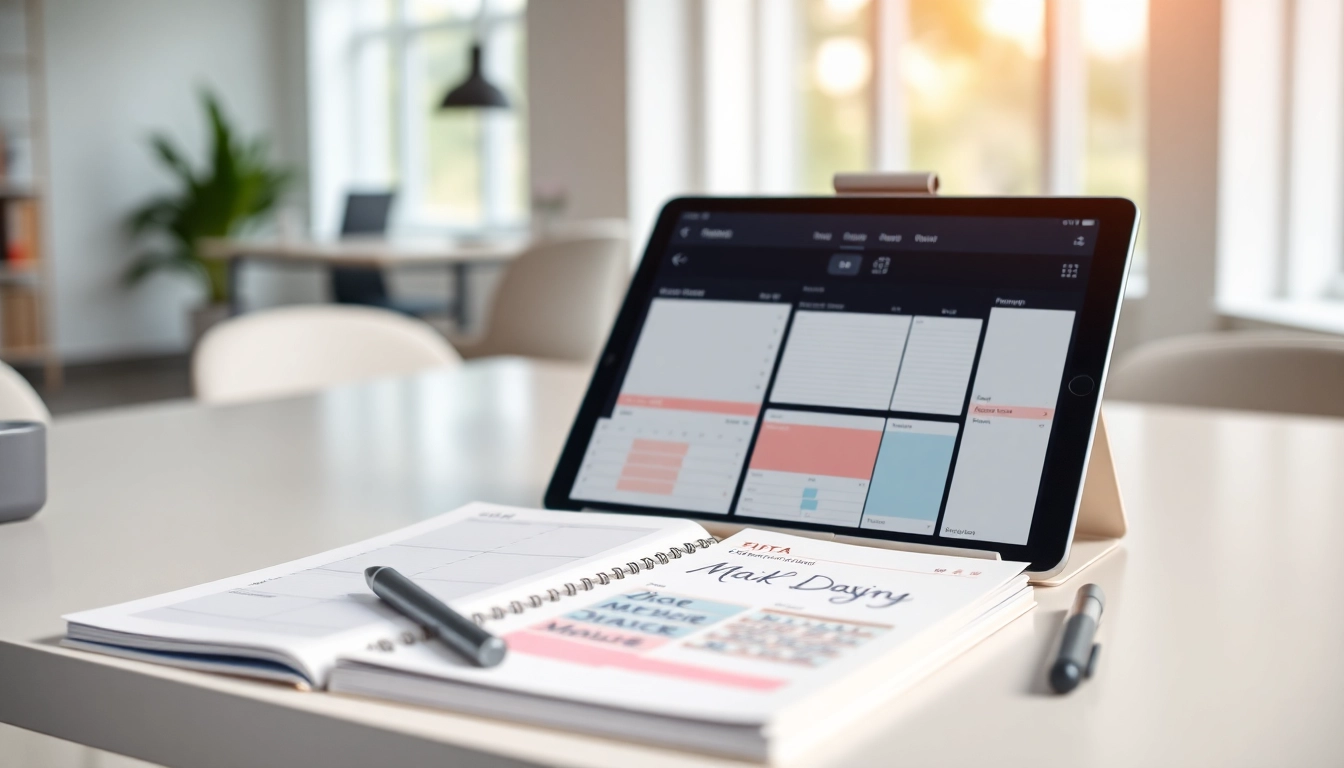
Introduction to Digital Planners For iPad
In the dynamic world of organization and productivity, digital planners have emerged as essential tools for individuals seeking to streamline their schedules and enhance their planning experience. With the proliferation of tablets and stylus technology, particularly the iPad, the transition to digital planners has become increasingly convenient and efficient. These tools not only replicate traditional paper planners but also introduce unique features that are tailored to meet the demands of a digitally-driven lifestyle. For those interested in maximizing their productivity through innovative planning solutions, exploring Digital Planners For iPad is a promising avenue.
What Are Digital Planners?
Digital planners are virtual planning applications designed to help users organize their daily tasks, set appointments, track projects, and manage goals electronically. Unlike conventional planners that require pen and paper, digital planners leverage the capabilities of devices such as the iPad, often integrated with stylus support, to offer a seamless, interactive experience. These planners typically exist in various formats, including apps that can be downloaded or PDFs that can be annotated, allowing for flexibility in use.
Benefits of Using Digital Planners For iPad
The shift to digital planning on platforms like the iPad comes with numerous advantages:
- Sustainability: Digital planners eliminate the need for paper, contributing to environmental conservation.
- Portability: With an iPad, users can access their planners anywhere, ensuring they have their organizational tools readily available.
- Customizability: Digital planners often offer customization options that allow users to tailor layouts, colors, and fonts to their personal style.
- Integration: Many digital planners can sync with other apps, providing holistic management of tasks and schedules.
- Interactive Features: Digital planners can include hyperlinks, checkboxes, and reminders, enhancing functionality and engagement.
Choosing the Right Digital Planner
Selecting a digital planner for your iPad involves considering various factors:
- User Needs: Determine if your primary focus is task management, journaling, or habit tracking.
- Compatibility: Ensure the planner is compatible with your preferred note-taking app, such as Goodnotes or Notability.
- Design and Layout: Look for planners that resonate aesthetically with you; a visually appealing planner can boost motivation.
- Community and Support: Consider planners with an active user community or available support, which can provide tips and troubleshooting advice.
Features of Effective Digital Planners For iPad
Customization Options
One of the most appealing aspects of digital planners is their customization capabilities. From choosing different cover designs to altering layouts, users can create a planner that reflects their unique preferences. Many applications allow users to adjust color schemes, fonts, and even the structure of their planner pages. This level of personalization not only enhances user experience but also encourages consistent engagement.
Integration with Other Apps
For optimal functionality, effective digital planners often incorporate seamless integrations with various productivity apps. Whether it’s syncing with calendars for important dates or connecting with task management platforms, these integrations streamline workflow. For instance, synchronizing a planner with a calendar app allows users to visualize their tasks alongside appointments, which can lead to better time management.
User-Friendly Interface
The complexity of digital planners can vary significantly based on their design. A user-friendly interface is vital for ensuring users can navigate their planners effortlessly. Features such as clear navigation, quick access to different sections, and intuitive design can significantly enhance user experience. A planner that may initially appear overwhelming might turn users away, while one that is visually appealing and easy to use will keep them coming back.
How to Get Started with Digital Planners For iPad
Setting Up Your Digital Planner
Getting started with a digital planner involves a few straightforward steps:
- Select an App: Choose a compatible app that suits your organization needs.
- Download Your Planner: Obtain a digital planner, whether through purchase or free download.
- Import to Your App: Open your planner in the selected app, ensuring that all links and features function correctly.
- Personalize: Alter the layout and aesthetics to match your style, making it a delightful tool to use daily.
- Input Initial Information: Start populating your planner with important dates, tasks, and goals.
Finding Compatible Apps
Choosing the right app to utilize with your digital planner is crucial. Some of the most popular options include:
- Goodnotes: Known for its handwriting recognition and user-friendly interface.
- Notability: Offers excellent audio recording features that pair well with note-taking.
- Xodo: A versatile PDF reader that allows markup and annotations for planners.
- Noteshelf: Features robust stylus support and stunning design options.
Best Practices for Digital Planning
To maximize the effectiveness of a digital planner, consider these best practices:
- Consistent Input: Regularly update your planner to keep track of tasks.
- Routine Reviews: Set aside time weekly to review and adjust your plans accordingly.
- Utilization of Reminders: Leverage the reminder features to keep important tasks on your radar.
- Segmentation: Break down larger tasks into smaller, manageable steps to avoid overwhelm.
Advanced Tips for Using Digital Planners For iPad
Productivity Hacks
To supercharge productivity while using digital planners, consider the following hacks:
- Time Blocking: Allocate specific blocks of time for tasks to enhance focus.
- Theme Days: Designate certain days for specific activities to create a structured routine.
- Prioritize Tasks: Use a color coding system to sort tasks by urgency or importance.
Organizational Strategies
Maintaining organization amidst chaos can be challenging. Here are some strategies to consider:
- Weekly Layout: Use a weekly view layout for a broad perspective on your week.
- Goal Tracking: Incorporate sections dedicated to long-term goals to keep focus and motivation.
- Reflect and Adjust: Spend time reflecting on what is working and revise as necessary.
Utilizing Visual Aids
Visual aids can significantly enhance the effectiveness of digital planners. For instance, utilizing charts to visualize progress can provide motivation and clarity. Similarly, colorful stickers or digital images can make the planning process more enjoyable and less monotonous, thus promoting consistent usage.
Common Questions About Digital Planners For iPad
Can I use my iPad for digital planning?
Absolutely! The iPad is an excellent tool for digital planning, providing a user-friendly interface and stylus support that enhances the planning experience.
What apps are compatible with digital planners?
Many apps work effectively with digital planners, including Goodnotes, Notability, and Xodo. Each app offers unique features catering to different planning styles.
Are digital planners cost-effective?
Digital planners can be cost-effective, especially considering the savings on paper and the added features that often accompany digital formats, like reminders and integrations.
How can I personalize my digital planner?
Personalization can be achieved by modifying colors, layouts, and adding stickers or images that resonate with your personal style, enhancing usability and aesthetic appeal.
What features enhance the usability of digital planners?
Features such as templates, hyperlinks, integration capabilities, and task reminders significantly enhance the usability of digital planners, making them efficient organizational tools.