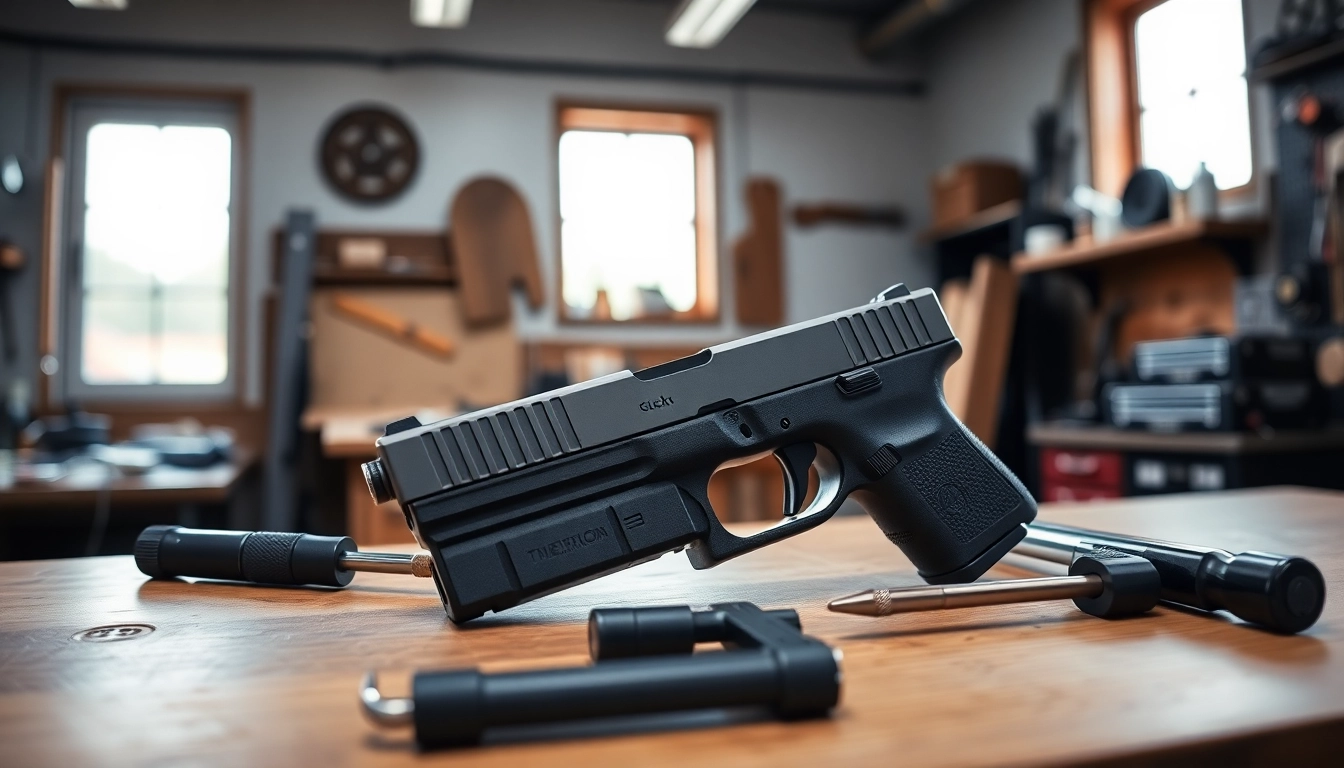
1. Understanding the Glock 19 Slide
1.1 What is a Glock 19 Slide?
The glock 19 slide is an essential component of the Glock 19 pistol, which is a popular choice for both law enforcement and civilian gun owners due to its reliability and versatility. The slide houses important mechanisms, including the barrel, recoil spring, and sights, and plays a pivotal role in the overall functionality of the firearm. It is usually made from durable materials like steel and can be customized through various aftermarket options, allowing users to tailor their firearm to meet specific needs or preferences.
1.2 Importance of Aftermarket Slides
Aftermarket slides for the Glock 19 serve multiple purposes, providing enhancements that can elevate performance, aesthetics, and compatibility with modern accessories. These upgrades often offer improved precision, lower weight, and additional features, such as optics cuts that accommodate red dot sights. This means that shooters can significantly enhance their shooting experience, whether for competitive use, self-defense, or recreational shooting.
1.3 Key Features to Look For
When choosing a Glock 19 slide, several key features should guide your decision-making process:
- Material: Look for slides made from high-quality materials such as stainless steel or aerospace-grade aluminum for durability.
- Weight: Consider the weight of the slide, as lighter options may improve muzzle rise and overall handling.
- Finish: A good finish protects against corrosion and wear. Options include nitriding, cerakote, or anodized finishes.
- Compatibility: Ensure the slide matches your Glock model (Gen 1-5) for a perfect fit.
- Optics Cut: If you plan on using a red dot sight, check for prefabricated optics cut-outs.
2. Types of Glock 19 Slides Available
2.1 Factory vs. Aftermarket Slides
Factory slides are those supplied directly by Glock and designed for optimal performance and reliability. They are well-engineered but often lack the customization options offered by aftermarket alternatives. Aftermarket slides provide an opportunity for enhancements, tailored designs, and individual choices that can cater specifically to a user’s shooting style or preferences. They can also offer unique designs that stand out aesthetically.
2.2 Popular Materials Used
Choosing the right material for your Glock 19 slide is crucial. Some of the popular materials include:
- Stainless Steel: Known for its strength and resistance to corrosion.
- Aluminum: Lightweight and often used for slide options that cater to competitive shooters.
- Carbon Steel: Provides durability but may require more maintenance for rust prevention.
2.3 Different Finishes and Their Benefits
The finish of a Glock 19 slide can greatly affect its longevity and appearance. Common finishes include:
- Nitride: Hardens the steel, providing excellent corrosion resistance and abrasion resistance, while giving a sleek black finish.
- Cerakote: Offers a vast array of colors and textures, while maintaining excellent durability.
- Anodized: Lightweight aluminum slides can benefit from anodizing for extra wear resistance.
3. How to Install Your Glock 19 Slide
3.1 Step-by-Step Installation Guide
Installing your Glock 19 slide can be a straightforward process with the right approach. Follow this step-by-step guide:
- Ensure the firearm is unloaded, and no ammunition is present.
- Remove the existing slide by pulling it back and lifting it off the frame.
- Position the new slide in place, aligning it with the frame's rails.
- Push the slide forward until it locks in place, ensuring it’s seated properly.
- Perform a function check to ensure the slide operates smoothly and correctly.
3.2 Tools Required for Installation
To install a Glock 19 slide, you typically won’t need many specialized tools. Basic tools may include:
- Gun cleaning mat
- Screwdriver (if modifications are needed)
- Safety glasses
3.3 Common Mistakes to Avoid
When installing your Glock 19 slide, avoid these common pitfalls:
- Forgetting to check the firearm is unloaded.
- Not aligning the slide properly on the frame’s rails.
- Neglecting to perform a function check after installation.
4. Customization Options for Glock 19 Slides
4.1 Optics Cuts and Sight Options
Integrating optics into your Glock 19 slide can significantly enhance your aim and shooting efficiency. Optics cuts allow mounting various red dot sights. Determine which sight you plan to use, as this will inform the type of cut required on your slide. It's essential to ensure that your chosen sights are compatible with the slide's optics cut to prevent any fitting issues.
4.2 Cerakote Colors and Finishes
Cerakote is a popular finish for Glock 19 slides because of its durability and variety of color options. Custom colors can be selected to suit personal style, create unique designs, or improve visibility options. The process involves coating the slide, which not only enhances aesthetic appeal but also provides additional protection against wear and corrosion.
4.3 Engraving and Personalization Tips
Personalizing your Glock 19 slide gives it unique character. Options include custom engraving of serial numbers, names, or specialized logos. It's vital to find a reputable engraver who understands the importance of precision, ensuring that the engraving does not affect the slide's structural integrity or functionality. Choose designs that not only look appealing but also celebrate your personal taste.
5. Maintenance and Care for Glock 19 Slides
5.1 Cleaning and Lubrication
Regular cleaning and lubrication are vital for maintaining the performance of your Glock 19 slide. Start by removing the slide from the frame and using a cleaning solvent to clean the interior and exterior surfaces. You should lubricate moving parts lightly but not over-saturate it as excess lubrication can attract dust and debris. Wipe off any excess lubricant and reassemble the slide for inspection.
5.2 Troubleshooting Common Issues
Common issues with Glock 19 slides may include failure to feed, failures to eject, or slide not locking back. These troubles can often result from dirt buildup, improper lubrication, or using incorrect ammunition. Regular maintenance can prevent many of these issues, but if they persist, further inspection or professional advice may be necessary.
5.3 When to Seek Professional Help
If you encounter persistent issues with your Glock 19 slide that cannot be resolved through regular maintenance and troubleshooting, it’s essential to consult a professional gun technician. Additionally, if you’re considering extensive modifications, such as a complete slide replacement or engraving, seeking professional help is advisable to ensure that modifications are correctly implemented without compromising safety or functionality.
Frequently Asked Questions
1. Can I use any slide on my Glock 19?
No, it is essential to use a slide that is specifically designed for the Glock 19. Compatibility with your specific generation (Gen 1-5) is crucial for proper fit and function.
2. How do I clean my Glock 19 slide?
Remove the slide from the frame, apply a cleaning solvent to clean the interior and exterior, then lubricate lightly before reassembling.
3. What is the best material for Glock 19 slides?
Stainless steel is commonly favored for durability and corrosion resistance, but lightweight aluminum is excellent for competitive shooting.
4. Can I install a red dot sight on my Glock 19?
Yes, many aftermarket Glock 19 slides come with optics cuts specifically designed for mounting red dot sights. Make sure to check compatibility.
5. How often should I lubricate my Glock 19 slide?
Lubrication should be applied regularly, especially after cleaning or if you notice decreased slide function. However, avoid over-lubricating.