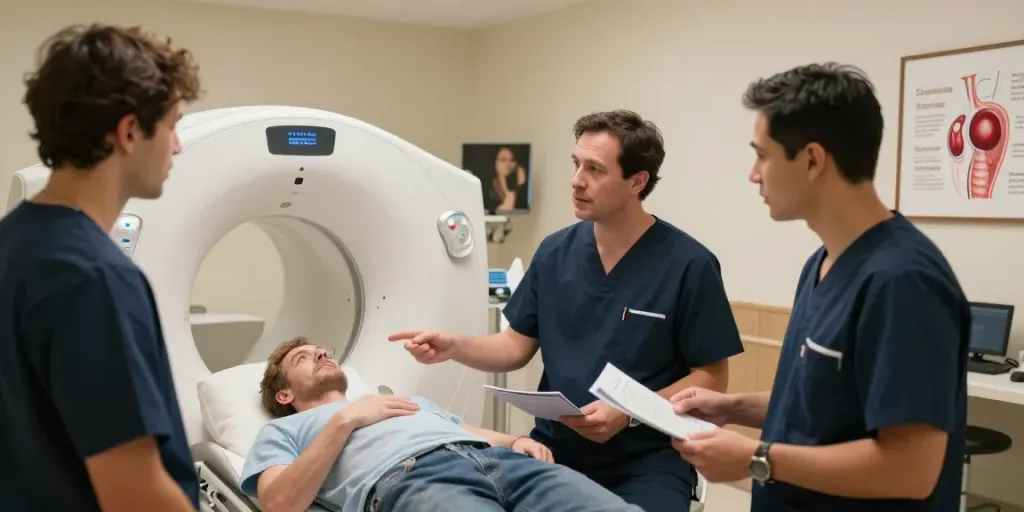
Understanding Prostate Cancer
Prostate cancer represents one of the most common cancers affecting men today, creating significant health concerns globally. Early detection and specialized treatment are critical for improving patient outcomes. The Cleveland Clinic Abu Dhabi offers a comprehensive Prostate cancer treatment program that addresses the unique needs of each patient through a multidisciplinary approach.
What is Prostate Cancer?
Prostate cancer is characterized by the uncontrolled growth of cells in the prostate gland, a small, walnut-sized gland responsible for producing seminal fluid. This type of cancer can vary widely in severity, with some forms being aggressive and others remaining indolent for years. Generally, prostate cancer develops in the peripheral zone of the prostate and may display different biological behaviors depending on the stage at which it is diagnosed.
Symptoms and Early Detection
Symptoms of prostate cancer may not present until the disease is more advanced. Early-stage prostate cancer is often asymptomatic, which underscores the importance of regular screening. As the disease progresses, patients may experience:
- Frequent urination, especially at night.
- Difficulties in starting or stopping urination.
- Weak or interrupted urine flow.
- Painful urination.
- Blood in urine or semen.
- Painful ejaculation.
- Persistent pain in the lower back, hips, or pelvis.
Recognizing these symptoms is crucial as they can serve as indicators for further investigation and potential diagnosis.
Risk Factors and Causes
The exact causes of prostate cancer remain largely unknown; however, several risk factors have been identified:
- Age: Risk increases significantly for men over 50 years old.
- Ethnicity: African American men are at a higher risk compared to men of other ethnicities.
- Family History: A family history of prostate cancer can elevate an individual's risk.
- Genetics: Certain genetic mutations, such as those in the BRCA1 and BRCA2 genes, can contribute to higher risk.
- Hormones: Testosterone levels have been linked to the growth of prostate cancer cells.
Awareness of these factors can guide individuals to seek timely evaluations and screening.
Prostate Cancer Treatment Options
When diagnosed with prostate cancer, patients have several options for treatment that can be tailored to their individual circumstances. The choice of treatment often depends on the cancer's stage, tumor grade, overall health, and personal preferences. Common treatment options include:
Minimally Invasive Surgical Techniques
Minimally invasive surgeries have revolutionized the treatment of prostate cancer. Techniques such as robotic-assisted laparoscopic prostatectomy allow surgeons to remove the prostate while minimizing damage to surrounding tissues. This approach results in:
- Reduced recovery times.
- Less post-operative pain.
- Shorter hospital stays.
- Lower risk of complications.
These advanced surgical methodologies are used by our experienced team at Cleveland Clinic Abu Dhabi, ensuring optimal patient comfort and outcomes.
Radiation and Hormonal Therapies
Radiation therapy, including external beam radiation and brachytherapy, delivers high doses of radiation to target cancer cells while sparing healthy tissue. Hormonal therapy, on the other hand, works by lowering testosterone levels to inhibit cancer growth. Both options can be used alone or in conjunction with surgery, depending on the patient's needs.
Emerging Treatments and Clinical Trials
The landscape of prostate cancer treatment is constantly evolving, with ongoing research into new therapies, including immunotherapy, targeted drug therapy, and novel hormonal agents. Participating in clinical trials may provide patients with access to cutting-edge treatment options that are not widely available.
The Importance of Multidisciplinary Care
Effective prostate cancer treatment requires a comprehensive, coordinated approach that integrates various medical specialties. At Cleveland Clinic Abu Dhabi, we employ a multidisciplinary team consisting of:
- Urologists.
- Medical oncologists.
- Radiation oncologists.
- Pathologists.
- Nurses and supportive care providers.
Role of Oncologists and Surgeons
Each member of the multidisciplinary team plays a crucial role in managing the patient's care. Oncologists lead the treatment decision-making process, while surgeons perform essential procedures, ensuring that every aspect of care is tailored to the patient’s individual needs.
Collaborative Care Processes
The Cleveland Clinic Abu Dhabi follows a collaborative approach in which specialists meet regularly to discuss and refine treatment plans based on the latest evidence and patient needs. This ensures that patients receive the most effective and appropriate treatments available.
Patient-Centered Treatment Plans
Every treatment plan is customized to reflect the patient's health goals, preferences, and lifestyle, allowing for a more holistic approach to cancer care. This patient-centered model not only enhances the quality of care but also improves patient satisfaction and adherence to treatment protocols.
Diagnosis and Screening Procedures
Diagnosing prostate cancer effectively is critical for successful treatment. Screening typically begins with a digital rectal exam (DRE) and measuring prostate-specific antigen (PSA) levels in the blood.
PSA Testing and Its Significance
PSA is a protein produced by prostate cells, and elevated levels can indicate the presence of prostate cancer. It is essential to interpret PSA levels in conjunction with other diagnostic measures to arrive at an accurate diagnosis.
Advanced Imaging Techniques
In cases where cancer is suspected, advanced imaging techniques such as MRI and PET scans may be utilized to assess the extent of disease spread. At Cleveland Clinic Abu Dhabi, our radiologists specialize in these imaging modalities, ensuring precise diagnosis and treatment planning.
Getting a Definitive Diagnosis
To confirm the diagnosis of prostate cancer, a biopsy is often performed, wherein a small tissue sample is taken from the prostate gland. Cleveland Clinic Abu Dhabi is among the few centers in the region offering MRI fusion-guided biopsy, enhancing accuracy in targeting cancerous tissues.
Living with Prostate Cancer
Post-diagnosis, patients must navigate the complexities of living with prostate cancer. Understanding the disease, treatment options, and potential side effects can help empower patients and their families.
Managing Side Effects of Treatment
Side effects of cancer treatment can vary widely depending on the type of treatment undertaken. Common side effects include fatigue, changes in urinary function, and hormonal fluctuations. Our healthcare team is dedicated to providing supportive measures to manage these effects effectively.
Support Systems and Resources
Emotional and psychological support is vital for patients dealing with cancer. Many resources, including counseling services, support groups, and educational materials, are available to assist patients and families during this challenging time.
Long-term Outcomes and Monitoring
Regular follow-up appointments and monitoring are essential to detect any signs of recurrence and to manage long-term effects of treatment. Understanding the importance of ongoing care can lead to improved quality of life for survivors.