Understanding the Wifi Sprinkler Controller
In the realm of modern gardening and landscape maintenance, a wifi sprinkler controller has emerged as a revolutionary tool, transforming the way we manage our irrigation systems. These devices leverage smart technology to optimize water use, reduce waste, and ensure that your plants receive just the right amount of hydration. With climate change and water scarcity becoming increasingly pressing issues, investing in such technology is not just a convenience—it's a necessity for sustainable gardening practices.
What is a wifi sprinkler controller?
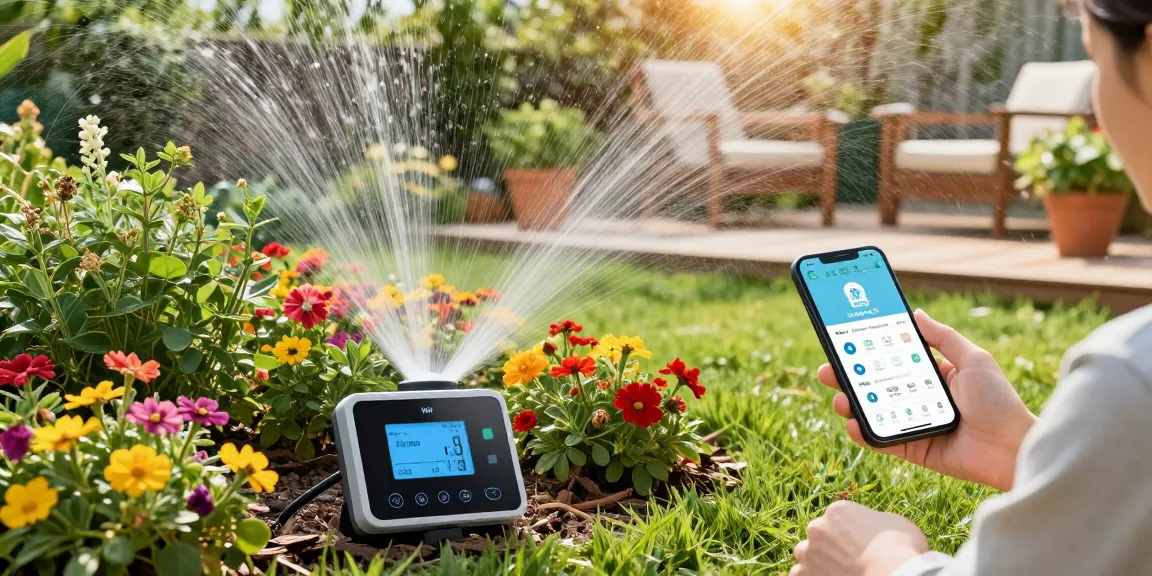
A wifi sprinkler controller is an advanced irrigation system that connects to your home Wi-Fi network, allowing for remote operation and monitoring through a smartphone application. Unlike traditional timers that operate on simple schedules, wifi controllers utilize sophisticated algorithms to consider real-time weather data, soil moisture levels, and plant needs. This means that instead of watering on a fixed schedule, the system can adjust itself based on environmental conditions, providing a tailored approach to watering your garden.
Benefits of using wifi sprinkler controllers
- Water Conservation: One of the most significant advantages of wifi sprinkler controllers is their capability to conserve water. By monitoring weather conditions and soil moisture, these systems can prevent over-watering and ensure that plants receive only what they need.
- Convenience: With remote access via smartphone apps, users can manage their irrigation systems from anywhere. Whether you're on vacation or simply relaxing at home, you have control over your garden's watering schedule at your fingertips.
- Customization: Many models allow for specific settings tailored to different plants or zones within your garden. This level of customization can significantly enhance plant health and growth.
- Data Tracking: Most wifi controllers come equipped with features that track water usage and provide insights into your garden's hydration patterns, allowing you to make informed decisions about your watering practices.
How they improve water conservation
Water conservation is essential in today’s climate, and wifi sprinkler controllers excel in this area. By utilizing real-time data and advanced moisture-sensing technologies, they can make immediate adjustments to irrigation schedules. For instance, if rain is forecasted, the system can delay watering, ensuring that plants do not receive excess water. This proactive approach not only saves water but also reduces the risk of plant disease due to over-watering.
Setting Up Your Wifi Sprinkler Controller
Setting up a wifi sprinkler controller may seem daunting, but with a step-by-step approach, it can be a straightforward process. When searching for reliable devices, consider visiting sites like wifi sprinkler controller providers for comprehensive options and insights.
Step-by-step installation guide
- Start by selecting the ideal location for your wifi sprinkler controller, ensuring it's near a power source and within range of your Wi-Fi signal.
- Mount the controller following the manufacturer’s instructions, ensuring it's secure and weatherproof.
- Connect your sprinkler system to the controller, following the provided guidelines to ensure all zones are properly wired.
- Power on the device and download the corresponding smartphone app to begin the setup process.
Connecting your device to Wi-Fi
Once your controller is powered on, the next step is to connect it to your Wi-Fi network. Access the app and follow the prompts to connect to your home Wi-Fi. Make sure to enter the correct password for a successful connection. Some devices may also offer an Ethernet port option for a direct connection if Wi-Fi is not reliable in your gardening area.
Configuring settings for optimal performance
After your device is connected to Wi-Fi, configure the settings according to your garden's needs. This includes setting watering schedules, choosing plant types, and adjusting moisture level thresholds. Some controllers come with pre-set options based on common plant types, making it easier for beginners to optimize their irrigation.
Advanced Features of Modern Wifi Sprinkler Controllers
Soil moisture sensing technology
One of the standout features of modern wifi sprinkler controllers is soil moisture sensing technology. This feature allows the controller to monitor the moisture levels within the soil in real time. By doing so, it can determine whether irrigation is necessary or if the soil is already adequately hydrated. This not only prevents over-watering but also helps maintain healthy soil conditions for your plants.
Remote operation through smartphone apps
Remote operation via smartphone apps allows users to manage their irrigation systems conveniently. This feature is especially beneficial for those with busy lifestyles or those who travel frequently. With just a few taps on your smartphone, you can start or pause watering, adjust schedules, and even receive alerts when certain conditions (like low moisture or heavy rainfall) occur.
Scheduling and automation capabilities
Most wifi sprinkler controllers come equipped with sophisticated scheduling and automation capabilities. Users can set specific times for watering, select different schedules for various zones, and even create seasonal schedules to adapt to changing climate conditions. This automation reduces the need for manual adjustments, allowing for a truly hands-free watering experience.
Common Challenges and Solutions
Wifi connectivity issues and troubleshooting
Like any technology, wifi sprinkler controllers can experience connectivity issues. If you find yourself unable to connect your device to Wi-Fi, first check the strength of the signal in the area of installation. Consider repositioning the router or using a Wi-Fi extender if necessary. Additionally, ensure that your network settings (like firewall configurations) are not blocking the device.
Adjusting settings based on weather conditions
To maximize efficiency, it's crucial to adjust your irrigation settings based on real-time weather conditions. Many modern controllers can integrate local weather forecasts or utilize local weather data to modify watering schedules automatically. However, if your device does not have this feature, you will need to check forecasts regularly and make manual adjustments accordingly.
Maintaining your sprinkler system for longevity
Regular maintenance is crucial for the longevity of your sprinkler system. This includes checking for leaks, cleaning filters, and ensuring that all components, especially the wifi controller, are protected from harsh weather conditions. Seasonal check-ups and adjustments can help maintain efficiency and ensure optimal performance throughout the year.
Future Trends in Smart Irrigation Technology
Emerging technologies in 2026
As we look ahead to 2026, smart irrigation technology is expected to become even more sophisticated. Innovations such as AI-driven irrigation systems that learn from user preferences and moisture sensing data will likely emerge. Additionally, advancements in solar-powered devices may offer eco-friendly alternatives that require less energy.
Integrating smart home systems with irrigation
The integration of smart home technologies with irrigation systems will become more prevalent. Users will be able to sync their wifi sprinkler controllers with other smart devices, such as weather stations and home automation systems, making for a seamless gardening experience. This interconnectedness will allow for even more precise control and automation.
Looking ahead: Sustainable gardening practices
As consumer awareness about sustainability grows, there will be a greater emphasis on eco-friendly gardening practices. Wifi sprinkler controllers will play a pivotal role in this movement by promoting efficient water use and reducing waste. Future advancements may also include features that support the use of greywater systems and rainwater harvesting, further enhancing sustainable practices in gardening.