Overview of TradingView's Capabilities
In the ever-evolving landscape of trading and financial analysis, having the right tools can make all the difference. TradingView stands out as one of the most comprehensive platforms, providing an array of features tailored for traders and investors alike. Whether you're navigating the complexities of the stock market, cryptocurrency trading, or forex, TradingView offers an integrated solution that enhances your ability to analyze and react to market trends effectively. This article delves into the core capabilities of TradingView, illustrating how it can empower you to enhance your trading strategies.
What is TradingView?
TradingView is a cloud-based platform designed for traders and investors to conduct market analysis across several asset classes, including stocks, options, futures, and cryptocurrencies. Launched in 2011, it has rapidly become a leader in charting and trading tools, primarily due to its user-friendly interface and robust community features. Users can access a wide variety of market data, technical analysis tools, and social networking capabilities, allowing for a collaborative trading experience.
Key Features of TradingView
- Extensive Charting Tools: TradingView provides a multitude of chart types and indicators, empowering users to perform technical analysis with precision.
- Real-time Market Data: The platform offers real-time access to price movements, enabling traders to react promptly to market fluctuations.
- Custom Alerts: Users can set personalized alerts based on price levels or technical conditions, reducing the need to constantly monitor the markets.
- Social Networking: The platform fosters a community aspect, allowing users to share insights, ideas, and analyses with fellow traders.
- Cross-Platform Capability: TradingView is accessible via web browsers and mobile devices, ensuring a seamless trading experience across different environments.
Comparing Free and Paid Versions
TradingView operates on a freemium model, offering both free and paid subscription plans. The free version provides access to essential features such as basic charting tools and limited data. In contrast, paid subscriptions unlock advanced functionalities, including more extensive charting options, increased alert limits, and the ability to save multiple layouts. The tiered structure allows users to choose a plan that best suits their trading needs and expertise.
Chart Analysis Features of TradingView
Understanding TradingView Chart Types
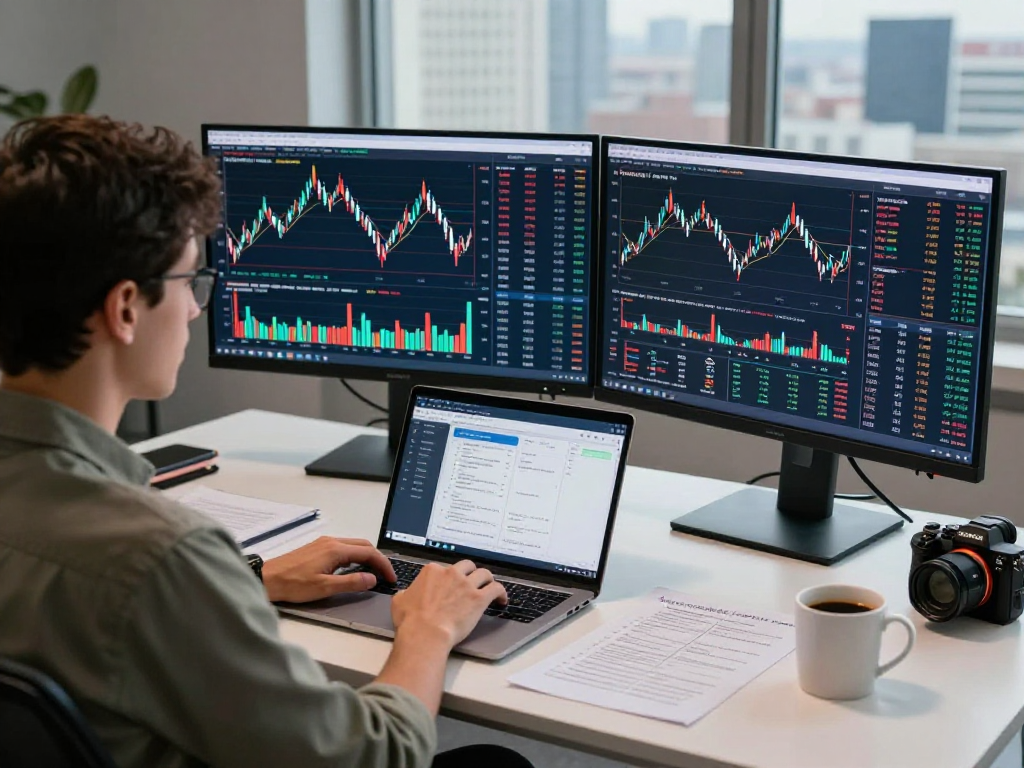
TradingView offers a diverse range of chart types, including line, bar, and candlestick charts. Each chart type provides unique insights into market behavior. For example, candlestick charts are particularly popular because they convey information about price movements over specific periods, including opening, closing, high, and low prices. Users can switch between chart types easily, allowing for dynamic analysis across various trading strategies.
Key Indicators and Tools Available
Traders can enhance their analyses with over 100 built-in indicators, such as moving averages, RSI, and MACD. Additionally, the platform enables users to create custom indicators and scripts using Pine Script, TradingView's proprietary programming language. This level of customization caters to both novice and expert traders, allowing them to develop unique strategies tailored to their trading styles.
How TradingView Enhances Technical Analysis
Technical analysis is at the core of trading strategies, and TradingView excels in this area. With features like multiple time frame analysis, users can evaluate price movements over varying periods. This flexibility helps traders identify trends and potential entry or exit points more effectively. Furthermore, the platform supports the use of drawing tools, such as trend lines and Fibonacci retracements, to facilitate a comprehensive analysis of market behavior.
Utilizing Alerts Effectively
Setting Up Price and Technical Alerts
Alerts are a crucial feature for any active trader, enabling them to remain informed without continuously monitoring charts. TradingView allows users to set up alerts for specific price points or technical conditions, which can be delivered via email, SMS, or app notifications. This flexibility ensures that traders can focus on their decision-making processes rather than manual monitoring.
How Alerts Can Boost Trading Efficiency
By utilizing alerts, traders can react promptly to market movements. For instance, a trader might set an alert for a price crossover on a moving average system. When the alert triggers, the trader can quickly assess the situation and decide whether to open or close a position, significantly enhancing their trading efficiency. This feature is integral to developing a disciplined trading approach, allowing users to stick to their strategies without the emotional bias of manual trading.
Differences Between Alerts and Watchlists
While both alerts and watchlists are valuable tools, they serve different purposes. Watchlists are primarily used to track specific instruments that a trader is interested in. In contrast, alerts are proactive notifications that inform users when specific conditions are met. This difference emphasizes the need for both tools in a trader's toolkit to ensure thorough market coverage and timely decision-making.
Cross-Device Functionality
Using TradingView on Desktop vs. Mobile
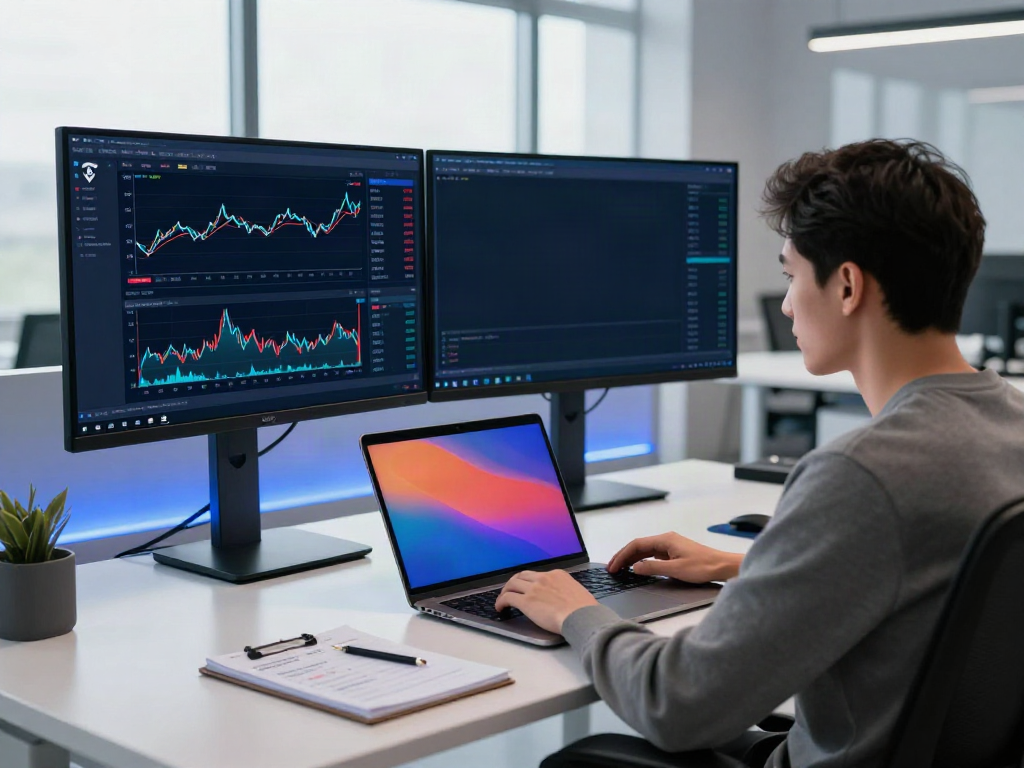
TradingView's design philosophy emphasizes accessibility and flexibility, allowing users to trade seamlessly across devices. The desktop version offers advanced features like multi-monitor setups, while the mobile app empowers users to maintain their trading activities on-the-go. Regardless of the device, users can expect a consistent experience, enabling them to analyze markets and execute trades whenever necessary.
Syncing Across Devices: Benefits and Challenges
One of the standout features of TradingView is the ability to sync data across devices. This means traders can start their analysis on a desktop, continue on a tablet, and finalize on a mobile phone without losing any information. However, challenges may arise regarding connectivity issues or app performance on older devices, which traders should consider when selecting their primary trading platform.
Best Practices for Multi-Device Trading Workflows
To maximize efficiency, traders should establish a consistent workflow across devices. This can include setting up alerts on a desktop and monitoring them on mobile, ensuring that important notifications are not missed. Additionally, traders should familiarize themselves with the features available on each platform to leverage their respective strengths effectively.
Future Trends in TradingView and the Trading Landscape
Emerging Features to Expect in 2026
The trading landscape continues to evolve, with technology playing a significant role. In 2026, users can expect TradingView to introduce more AI-driven features for predictive analytics, enhanced community interaction tools, and additional integrations with third-party services to bolster the trading experience. These advancements aim to create a more robust and user-friendly environment for traders around the globe.
How Technology is Shaping Trading Platforms
Technological innovations such as machine learning algorithms and big data analytics are revolutionizing how trading platforms operate. As these technologies integrate into TradingView, users will benefit from improved market forecasts, personalized content delivery, and more sophisticated tools for analyzing trading patterns, further amplifying their decision-making capabilities.
Preparing for Changes in the Trading Environment
As trading regulations and market dynamics shift, traders must remain adaptable. TradingView’s commitment to providing timely updates and educational resources will be crucial for users looking to navigate these changes effectively. Staying informed and continuously educating oneself about market trends and platform updates will be essential for sustained trading success.
What are the Pricing Plans for TradingView?
TradingView offers several pricing tiers to cater to the diverse needs of its users. The free version allows basic access to features, while paid plans range from Pro to Premium. Each tier offers progressively more capabilities, including increased limits on alerts, enhanced data access, and priority customer service. Users should evaluate their trading volume and needs before selecting a plan that optimizes their TradingView experience.
Who is Ideal for Using TradingView?
TradingView is suitable for a wide array of users, from novice traders looking for straightforward tools to experienced professionals seeking comprehensive data analysis and community insights. Its versatility makes it appealing to both retail and institutional traders, providing the necessary tools to navigate various financial markets effectively.
Do I need the Desktop Version?
While the desktop version of TradingView offers advanced features that enhance the trading experience, users can still achieve significant functionality via the web and mobile apps. The decision to use the desktop version often depends on individual trading habits, the need for multi-monitor setups, and the extent of technical analysis performed. For many traders, the web app provides sufficient capabilities, but for those needing more intensive charting tools, the desktop version may be worth exploring.