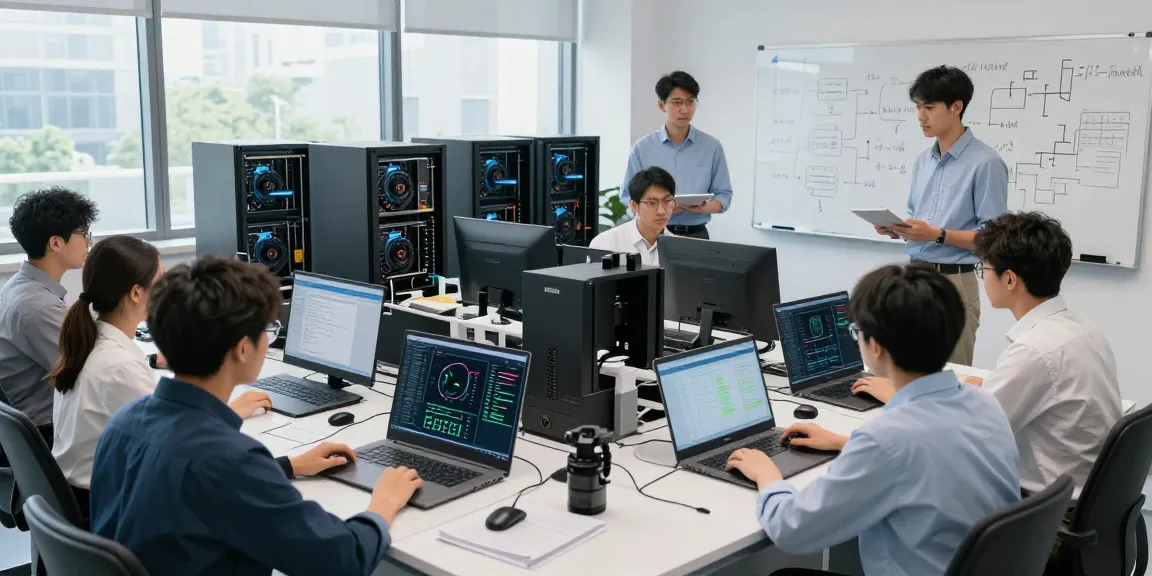
1. Introduction to AI CCTV Monitoring
The domain of surveillance has undergone significant transformation with the advent of technology, particularly through the integration of artificial intelligence (AI). AI CCTV monitoring stands out as a game changer in this landscape, enabling businesses and homes to enhance security measures effectively while also providing insightful analytics. This article delves into the various aspects, benefits, and implementation strategies of AI CCTV monitoring, equipping readers with comprehensive knowledge.
What is AI CCTV Monitoring?
AI CCTV monitoring combines traditional video surveillance with advanced artificial intelligence technologies. This integration allows the system to not just passively record footage but actively analyze it in real-time. By employing techniques such as image recognition, behavior prediction, and alert systems, AI CCTV monitoring can identify anomalies, reduce false alarms, and provide instant feedback to security personnel.
Key Components of AI CCTV Systems
For effective AI CCTV monitoring, several core components come together:
- Cameras: High-resolution cameras equipped with low-light capabilities for day-and-night functionality.
- AI Algorithms: Sophisticated algorithms for motion detection, facial recognition, and anomaly detection.
- Data Storage: Cloud or local storage solutions to hold vast amounts of video data securely.
- User Interface: An intuitive dashboard for security personnel to monitor feeds, receive alerts, and manage the system.
Evolution of Surveillance Technology
Surveillance technology has evolved from basic analog systems to sophisticated digital frameworks. Early CCTV systems were limited in functionality, relying solely on human operators to monitor feeds. The introduction of digital recording drastically changed this landscape, leading to the integration of smart technologies like AI that now automate analysis, provide intelligent alerts, and enable predictive analytics for future threats.
2. Benefits of AI CCTV Monitoring
Enhancing Security Measures
One of the most significant benefits of AI CCTV monitoring is its ability to enhance security measures substantially. By utilizing real-time surveillance alerts, features like facial recognition and behavior analysis reduce the lag time in response to threats, improving overall safety in environments ranging from retail spaces to critical infrastructure.
Cost Efficiency and Resource Allocation
AI CCTV systems are cost-efficient because they reduce the need for extensive security personnel. Automation allows for fewer staff members to monitor multiple feeds, freeing up human resources for more critical tasks. This shift not only leads to lower operational costs but also enhances the allocation of human resources to areas requiring more strategic oversight.
Real-time Data Insights and Analytics
AI CCTV monitoring systems provide real-time insights that are geared towards improving decision-making. Advanced analytics can help identify patterns in customer behavior in retail settings or potential security threats in public places, underscoring the value AI brings to various sectors. The accessibility of these insights enables organizations to adjust their operations dynamically based on recent data trends.
3. How AI CCTV Monitoring Works
Image Recognition and Pattern Detection
AI CCTV monitoring relies on robust image recognition capabilities, allowing the system to analyze video feeds continuously. Through various algorithms, AI can detect unusual patterns or behaviors in real time. For instance, if an individual appears loitering in a high-traffic area, the system can flag this behavior and alert security personnel to investigate.
Integrating AI with Traditional Systems
Integrating AI into existing surveillance systems has become more seamless. Many AI solutions are designed to work alongside traditional CCTV setups, enhancing their capability without necessitating a complete overhaul. This incremental integration ensures accessibility for businesses that already have established security measures but want to enhance their functionality.
Case Studies of Effective Implementations
Real-world applications of AI CCTV monitoring have proven its effectiveness. Industries such as retail utilize these systems to minimize theft and optimize customer flow through pattern analysis. Similarly, public safety applications have used AI surveillance to reduce crime rates through predictive policing, illustrating the broad potential impact of this technology.
4. Choosing the Right AI CCTV Monitoring Solution
Assessing Your Security Needs
Understanding specific security needs is critical in selecting an appropriate AI CCTV monitoring solution. Factors such as the scale of operations, types of surveillance required, and the environment where the system will be deployed should be considered. Conducting a thorough risk assessment can provide insights into necessary features.
Key Features to Consider
When choosing an AI CCTV solution, consider features like:
- Real-time alert capabilities
- Integration with existing security infrastructure
- Scalability for future needs
- User-friendly interface for easier management
- Advanced analytics for actionable insights
Common Misconceptions
Common misconceptions around AI CCTV monitoring include concerns about privacy and the belief that AI systems operate without human oversight. While privacy is a valid concern, implementing responsible data management practices can mitigate these issues. Additionally, AI systems function best when supplemented with human judgment to enhance the overall efficacy of security measures.
5. Future Trends in AI CCTV Monitoring
Emerging Technologies on the Horizon
The future of AI CCTV monitoring will likely see innovations such as enhanced integration with IoT devices, enabling smarter environments where surveillance systems collaborate with smart locks, alarms, and environmental sensors. These interconnected systems will create a cohesive security ecosystem that responds automatically to threats.
Impact on Privacy Regulations
As AI technologies advance, privacy regulations are likely to evolve simultaneously. Organizations must remain aware of changing legal landscapes surrounding data protection and privacy, ensuring that their AI CCTV solutions comply with all relevant legislation while still providing robust security measures.
Preparing for Changes in the Market
The surveillance market is anticipated to see significant shifts as AI becomes more prevalent. Organizations should stay informed about trends and advancements. Regular upgrades and training concerning the latest technologies will be crucial in maintaining effective security protocols while adapting to market changes.
FAQs
What benefits does AI CCTV monitoring provide?
AI CCTV monitoring enhances security with real-time alerts, facial recognition, and behavioral analysis, significantly improving threat detection. It offers powerful insights that enhance overall safety.
How does AI CCTV differentiate from traditional systems?
AI CCTV employs advanced algorithms for data analysis, minimizing the need for human monitoring, and providing actionable insights swiftly. This differentiates it significantly from traditional systems.
Is AI CCTV monitoring suitable for small businesses?
Yes, AI CCTV monitoring is scalable and cost-effective, providing tailored security solutions that can meet the diverse needs of small businesses while enhancing their security posture.
What are common features in AI CCTV solutions?
Common features include real-time streaming, advanced motion detection, automatic alerts, and cloud storage for efficient data management, providing comprehensive surveillance capabilities.
Are there privacy concerns with AI CCTV monitoring?
Yes, privacy concerns exist, as organizations must ensure compliance with regulatory mandates while responsibly managing data to protect individuals' rights and privacy within monitored spaces.