Understanding Celebrity Look-Alikes
In an age where social media reigns supreme, the fascination with looking like celebrities has only grown stronger. Many people are curious about the celebrity they resemble, and thanks to advancements in technology, discovering your doppelgänger is now easier than ever. Various apps and online platforms have emerged, allowing users to upload their photos and receive instant feedback on which famous individuals they resemble. This phenomenon is not just fun; it reflects deeper psychological and cultural trends that merit exploration.
What Does It Mean to Look Like Celebrities?
To look like a celebrity means to share striking physical similarities with a well-known figure. This resemblance can stem from shared features, such as facial structure, hair color, or even expressions. The concept of celebrity look-alikes taps into our natural desire for connection and validation. Many people experience excitement when they are told they resemble their favorite stars, often leading to enhanced self-esteem and a sense of belonging. In some cases, people actively seek out to look like celebrities as a way to enhance their social media presence or personal brand.
Popular AI Tools for Celebrity Look-Alike Identification
AI technology has rapidly developed tools that help users identify their celebrity look-alikes with remarkable accuracy. Applications such as StarByFace and Media.io utilize advanced facial recognition algorithms, which compare uploaded images to vast databases of celebrity photos. By analyzing features like the distance between eyes, nose shape, and jawline, these apps can suggest a list of celebrities the user resembles. The appeal of such tools lies in the instant gratification they provide, appealing not only to vanity but also to curiosity.
How Celebrity Look-Alikes Influence Social Media Trends
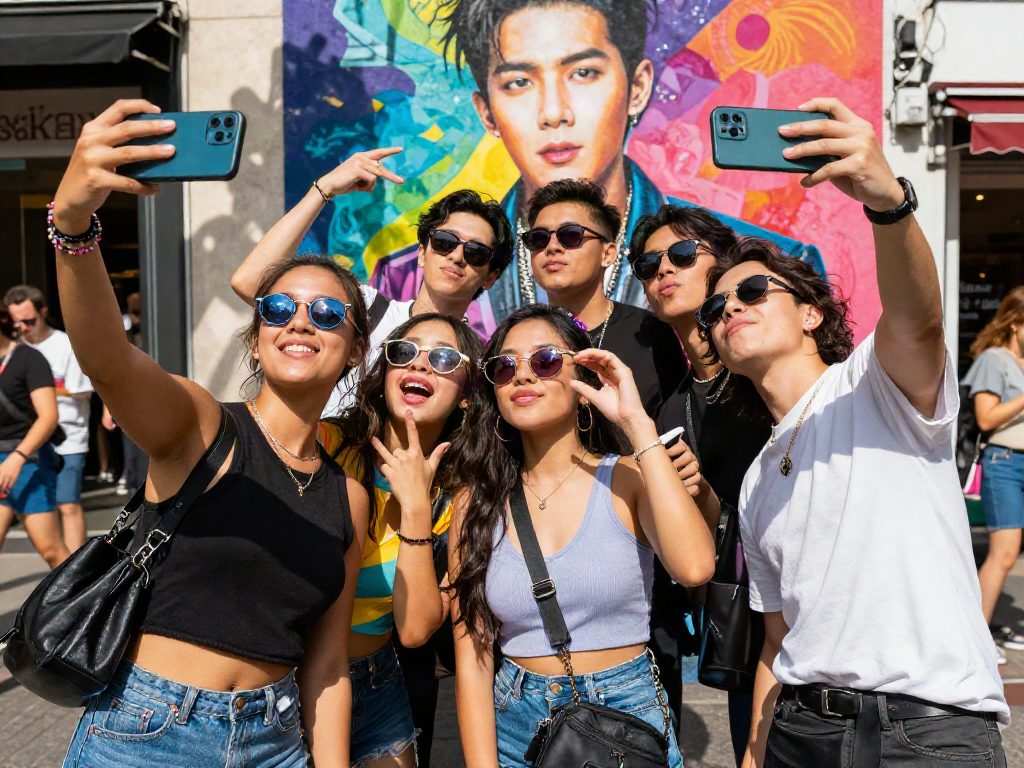
The impact of celebrity look-alikes extends beyond individual enjoyment. They have generated popular trends on platforms like Instagram, TikTok, and Snapchat, where users often participate in challenges or share their results. Many influencers leverage the allure of celebrity resemblances to create engaging content that resonates with their audiences.
Visual Content Creation Strategies
Visual content is king in the world of social media, and the juxtaposition of everyday individuals against glamorous celebrities often captures attention. Influencers have capitalized on this by creating side-by-side comparison videos or using celebrity look-alike apps to generate content that invites interaction. These strategies not only entertain but also encourage users to engage, share, and comment, which boosts posts' visibility.
Engaging Audiences Through Celebrity Comparisons
Brands and creators have found that utilizing celebrity comparisons can enhance audience engagement. By presenting relatable figures alongside beloved celebrities, they tap into nostalgia, admiration, and humor—elements that resonate strongly with viewers. This strategy is especially effective during promotional campaigns, where brands might align their messaging with the celebrity culture their audience admires.
Case Studies of Viral Celebrity Look-Alike Posts
Some posts featuring celebrity look-alikes have gone viral, showcasing remarkable resemblances that spark widespread interest. For instance, a TikTok video showing a young person who looks strikingly similar to a Hollywood star garnered millions of views, highlighting the powerful allure of visual similarity. These cases illustrate how appearance-related content can quickly capture mass attention, driving shares and discussions across social media platforms.
Celebrity Look-Alikes in Marketing Strategies
Recognizing the cultural fascination with celebrity look-alikes, brands have begun integrating this trend into their marketing strategies. By aligning their products or messages with popular figures, they can create a direct connection with consumers.
Leveraging Celebrity Resemblance for Brand Partnerships
Many brands have partnered with look-alikes for advertising campaigns, effectively using these influencers to attract attention. Collaborating with someone who looks like a famous figure can provide authenticity and relatability, engaging audiences who may otherwise feel disconnected from high-profile celebrities.
Effective Campaign Examples Featuring Look-Alikes
One memorable example is a cosmetic brand that featured a look-alike of a well-known actress in their marketing materials. By capitalizing on the excitement of resemblance, the campaign generated buzz on social media, leading to increased sales and brand visibility. Such strategies illustrate how effective celebrity look-alike marketing can be in drawing connections between consumers and brands.
Measuring Impact: Engagement and Reach Metrics
To evaluate the success of campaigns featuring celebrity look-alikes, brands focus on engagement metrics, such as likes, shares, comments, and overall reach. By analyzing these data points, companies can determine the effectiveness of utilizing look-alikes versus traditional celebrity endorsements. Reports indicate that campaigns featuring look-alikes often experience higher engagement rates, signifying the strong pull of familiarity.
Embracing Celebrity Culture in Personal Branding
As the fascination with celebrity culture persists, individuals are increasingly curating their personal brands with elements inspired by famous figures. The concept of celebrity look-alikes plays a significant role in how people shape their online identities.
Curating Your Identity with Celebrity Inspirations
Many individuals look to celebrities when crafting their personal image, drawing inspiration from fashion choices, hairstyles, and even personas. In this way, the notion of looking like a celebrity ties into broader themes of self-expression and identity. Social media platforms allow users to mimic styles and aesthetics that resonate with them, creating a unique fusion of celebrity influence and personal flair.
Building a Personal Brand: The Dos and Don’ts
When it comes to personal branding, authenticity remains paramount. As individuals seek to build brands that reflect their celebrity inspirations, they should avoid simply imitating others without adding their unique twist. Here are some dos and don’ts:
- Do: Embrace your own style while incorporating elements from your celebrity inspirations.
- Don't: Overemphasize similarity at the expense of your individuality.
- Do: Engage with your audience authentically and share your story.
- Don't: Pretend to be someone you are not; authenticity is key.
Future Trends in Personal Branding Inspired by Celebrities
Looking ahead, personal branding will likely continue to intertwine with celebrity culture. As new platforms emerge and social media algorithms evolve, the way individuals connect with their idols will also transform. Expect to see a rise in augmented reality features that allow users to visualize themselves alongside their favorite stars or even emulate their looks in real time.
Exploring Future Innovations in Look-Alike Technology
The future of look-alike technology is promising, especially as advancements in artificial intelligence and machine learning continue to reshape the landscape. The tools available for finding celebrity look-alikes will only become more sophisticated, with enhanced accuracy and user experience.
AI Advances in Facial Recognition for Celebrity Matching
Facial recognition technology is advancing rapidly, allowing for more precise matches between users and celebrities. The development of neural networks capable of analyzing nuances in facial structure offers exciting prospects for creating highly personalized experiences for users looking to identify their doppelgängers.
Ethical Considerations in Celebrity Look-Alike Apps
As the technology evolves, ethical considerations surrounding privacy and consent are becoming increasingly important. Users must be informed about how their data is used, especially as look-alike apps often rely on sensitive images to operate. Transparency in data handling will be crucial to maintaining trust between developers and users.
Predictions for the Celebrity Look-Alike Industry in 2026
By 2026, the celebrity look-alike industry is set to flourish. With a steady increase in user-generated content, expect more platforms that cater to individual creativity while highlighting celebrity resemblances. Additionally, augmented reality could play a pivotal role, allowing users to overlay their likeness with that of a celebrity in real time, creating immersive experiences that captivate audiences.
What technology helps find celebrity look-alikes?
Various technologies assist in finding celebrity look-alikes, from basic facial recognition software to advanced AI algorithms that analyze facial proportions. These tools streamline the matching process and enhance user experience, allowing individuals to discover their celebrity counterparts with ease.
Can everyone look like a celebrity?
While not everyone can physically resemble a celebrity, many share features that can create a resemblance. Factors such as facial symmetry, skin tone, and hair color play significant roles in perceived similarity. Tools that leverage AI can help identify these likenesses more objectively.
How do I use celebrity look-alike apps effectively?
To use celebrity look-alike apps effectively, ensure you upload clear, well-lit photos that highlight your facial features. Follow app instructions to optimize results, and don't hesitate to experiment with different angles or expressions to uncover various matches.
What are the privacy concerns with look-alike apps?
Privacy concerns regarding look-alike apps primarily revolve around how user data is stored and used. Users should be vigilant and read the privacy policies to understand what personal information is collected and how it will be utilized.
Are celebrity look-alike services free or paid?
Many celebrity look-alike apps offer both free and paid versions. Free versions often provide basic features, while paid options may include enhanced capabilities, such as more in-depth analysis or additional celebrity matches. Users can choose based on their interest and how frequently they plan to use the services.