Understanding the Importance of Breton Culture
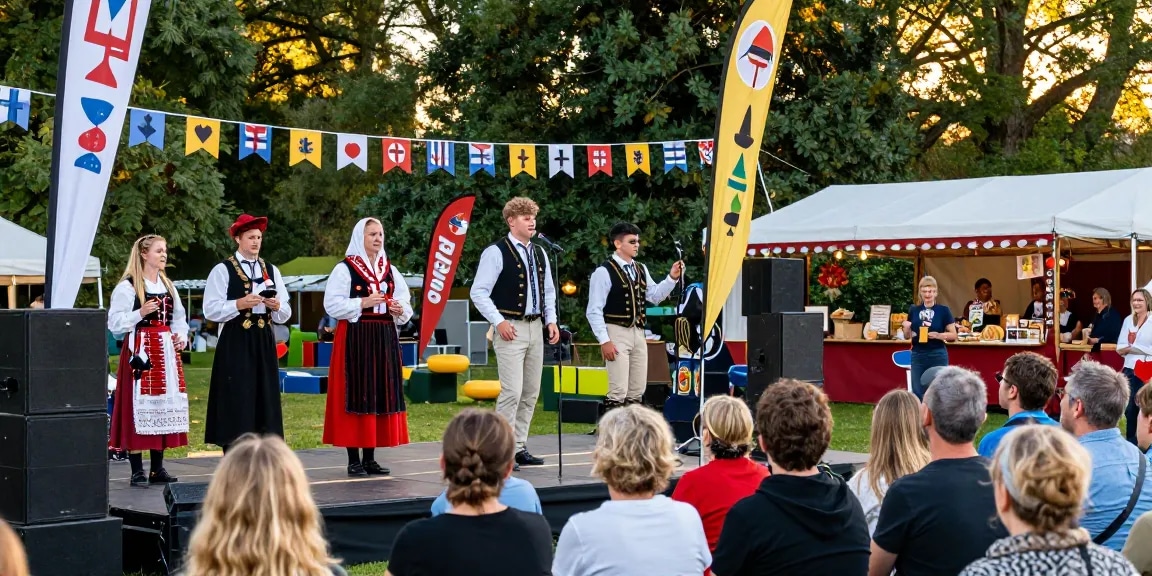
The rich tapestry of Breton culture is an integral part of the identity of the Rennes region, offering a unique blend of history, art, and communal traditions. As we move into 2026, the relevance of preserving these cultural nuances becomes even more pronounced, not only for the local population but also for visitors who seek to understand and participate in this vibrant heritage. Events organized by groups such as Skeudenn Bro Roazhon contribute significantly to this mission, as they foster community engagement and cultural appreciation through various artistic expressions. M98 ล๊อตเว็บตรง 2026 highlights this ongoing initiative to promote Breton culture in the heart of Rennes.
Why Preserve Breton Traditions?
Preserving Breton traditions is crucial for several reasons. Firstly, they serve as a reminder of the historical struggles faced by the Breton people, who have fought to maintain their language and customs amid globalization. These traditions foster a sense of belonging and identity among the local populace, creating a bridge between generations. Furthermore, they attract tourists eager to experience authentic cultural practices, thus providing economic benefits to the region.
Moreover, traditions such as folk dances, music, and crafts contribute to the diversity of the broader European cultural landscape. By showcasing these practices in events like the Mercredis du Thabor, local organizations can engage community members and encourage them to participate in preserving their heritage.
The Role of Art in Cultural Identity
Art plays a pivotal role in shaping cultural identity. It becomes a medium through which stories, values, and historical contexts are expressed. In Breton culture, this is often manifested through music, visual arts, and performances. Local artists contribute to this narrative by creating works that reflect the spirit of Bretagne, incorporating traditional themes with contemporary interpretations.
Promoting local artists is essential for sustaining a vibrant cultural scene. Initiatives that spotlight these creators not only celebrate their contributions but inspire future generations to explore their cultural roots. Festivals and markets provide a platform for artists to showcase their work, allowing for direct community engagement and support.
Community Engagement Strategies
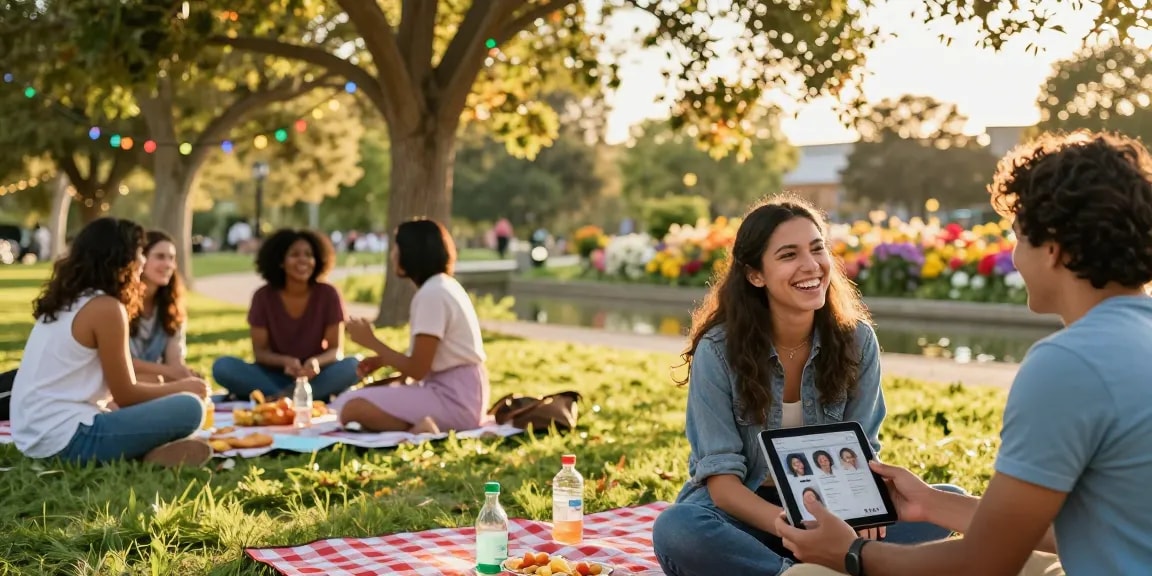
Effective community engagement strategies can significantly enhance participation in cultural events. One approach is to involve community members in the planning stages, allowing them to contribute ideas and feedback. This creates a sense of ownership and investment in the event's success. Additionally, utilizing social media platforms to promote events can broaden the reach, inviting more participants to join in the festivities.
Another effective strategy is to collaborate with schools and educational institutions. Incorporating cultural education into school programs not only fosters appreciation among younger generations but also encourages families to participate in community events. Workshops that involve hands-on activities, such as traditional crafts or cooking, can further enhance engagement.
Planning Successful Cultural Events in 2026
As we look ahead to 2026, the planning of cultural events requires a comprehensive understanding of logistical components and audience needs. Organizers must be adept at balancing artistic expression with practical considerations to create successful and impactful events.
Key Components of Event Management
Effective event management hinges on several key components: budgeting, logistics, promotion, and community involvement. A well-planned budget helps ensure resources are allocated efficiently, while thoughtful logistics encompass venue selection, equipment rentals, and scheduling. It is essential to create a timeline that allows for sufficient preparation and promotion time.
Additionally, incorporating local voices into event planning can enhance relevance and foster community support. Understanding the interests and preferences of the target audience is crucial to creating events that resonate and encourage participation.
Choosing the Right Venue and Timing
The venue can make or break a cultural event. Selecting an appropriate space that reflects the essence of the event is essential. Outdoor venues like Park du Thabor, where many Breton cultural events take place, provide a beautiful backdrop that enhances the experience. Timing is equally important—summer evenings are ideal for attracting a larger audience, as people are more likely to attend outdoor events during pleasant weather.
Moreover, scheduling events during local festivals or holidays can also increase attendance, as community members are already in a celebratory mood and more inclined to engage in cultural activities.
Marketing Your Cultural Event Effectively
Marketing is a vital aspect of any successful event. Utilizing a multi-channel approach that combines social media, local media coverage, and community bulletin boards can maximize outreach. Engaging storytelling about the event’s purpose and activities can resonate with potential attendees, drawing them in.
Creating eye-catching promotional materials, such as posters and banners featuring local artists' work, can also attract interest and further promote the cultural identity of the region. Collaborating with local businesses for cross-promotion can extend reach and visibility.
Showcasing Artists: Promoting Breton Talent
Breton artists are at the heart of the region's cultural output. Their talents need to be showcased to not only enhance visibility but also foster a deeper connection between the artists and the community. This section explores effective strategies for artist promotion and collaborative projects.
Identifying Local Artists and Artisans
Networking within the community is fundamental for identifying local artists and artisans. Organizations like Skeudenn Bro Roazhon often maintain partnerships with various cultural entities, making them valuable resources for discovering talent. Art exhibitions, craft fairs, and open studios can provide platforms for artists to display their work and engage with potential patrons.
Engaging with local art schools and universities can also help uncover emerging talent. Students often bring fresh perspectives and ideas, contributing to the cultural landscape while gaining exposure and experience.
Strategies for Artist Promotion
Promoting artists effectively involves utilizing various media platforms and event formats. Hosting artist showcases or "meet the artist" events can create meaningful interactions between artists and the community. These formats allow attendees to learn about the artists' inspiration and processes firsthand.
- Creating dedicated online profiles for local artists can enhance their visibility and provide an avenue for purchasing their work.
- Collaborative projects, where artists work together or with other community members, can yield unique creations that highlight the region's cultural richness.
- Engaging local businesses to feature artists’ works in their establishments can elevate exposure and encourage patronage.
Collaborative Projects for Greater Impact
Collaborative projects can significantly amplify the impact of individual artists by bringing together different perspectives and skills. Festivals that incorporate multi-disciplinary arts, such as combining music, visual arts, and culinary experiences, can create a fuller cultural experience for attendees.
Furthermore, collaborative community murals or art installations can foster a sense of pride and ownership among residents, reinforcing their connection to local culture. Schools can also collaborate with local artists to infuse artistic elements into educational programs, promoting creativity and cultural appreciation among students.
Engaging the Audience: Creating Memorable Experiences
Creating memorable experiences is at the core of successful cultural events. Engaging audiences goes beyond simply providing entertainment; it involves fostering connections that resonate long after the event concludes.
Interactive Activities and Workshops
Interactive activities, such as hands-on workshops, can enhance audience engagement significantly. By allowing participants to actively partake in cultural practices, such as traditional dance or craft-making, events can create lasting memories and forge deeper connections with Breton culture.
Additionally, organizing storytelling sessions that involve local historians or elder community members can provide rich insights into the cultural narrative, allowing attendees to appreciate the depth and significance of Breton traditions.
Leveraging Social Media for Engagement
Social media platforms offer a powerful means of engaging with audiences before, during, and after events. Creating dedicated hashtags for events can encourage attendees to share their experiences online, expanding visibility and attracting future participants.
Live streaming performances or workshops can broaden reach beyond physical attendees, inviting global engagement and showcasing Breton culture to a wider audience. Post-event follow-up through social media can also help gather feedback and maintain community interest for future events.
Feedback Mechanisms for Continuous Improvement
Implementing feedback mechanisms is crucial for assessing the success of events and identifying areas for improvement. Surveys can be distributed both online and at events to gather participant opinions on various aspects, such as organization, activities, and overall experiences.
By analyzing this feedback, organizers can make informed decisions for future events, ensuring they meet the evolving needs of the community and remain relevant in 2026 and beyond.
Future Trends in Cultural Events and Festivals
As cultural engagement continues to evolve, it is essential for organizations to anticipate future trends that may shape events and festivals. Understanding these trends can help ensure that cultural expressions remain vibrant and significant.
Emerging Themes in Breton Culture
Emerging themes in Breton culture often reflect broader societal shifts and changes in cultural consumption. For instance, sustainability and environmental awareness are becoming increasingly vital in cultural practices. Events that highlight traditional ecological knowledge, local food systems, and sustainable art practices can resonate with modern audiences.
Additionally, the intersection of technology and culture is presenting new opportunities for creativity and engagement. Events that incorporate digital art or augmented reality can offer fresh experiences, attracting younger audiences and enhancing participation.
Technology's Impact on Cultural Events
Technology plays a transformative role in cultural events today. From ticketing systems and event organization software to social media marketing, leveraging technology can streamline processes and enhance engagement. Virtual reality experiences can also transport audiences into immersive cultural settings, allowing for deeper interaction with Breton heritage.
Moreover, the growing availability of high-speed internet access allows for live streaming and virtual participation, thus democratizing access to cultural events and broadening audience reach.
Predictions for Cultural Engagement in 2026
Looking ahead to 2026, it is likely that cultural engagement will continue to hinge on inclusivity and accessibility. Events that prioritize diverse voices and foster cross-cultural exchanges will enrich the cultural landscape and strengthen community bonds.
Additionally, as the world navigates challenges such as climate change and social inequality, cultural events that address these issues while celebrating local heritage will resonate with audiences, driving attendance and participation.
Conclusion
In conclusion, the vitality of Breton culture is undeniably connected to the efforts of community organizations, local artists, and engaged citizens. As we forge ahead into 2026, embracing innovative strategies in cultural event planning and community involvement will be essential for sustaining this heritage. By prioritizing collaboration, promotion of local talent, and creating memorable experiences, we not only honor the past but also ensure that Breton culture continues to thrive for generations to come.