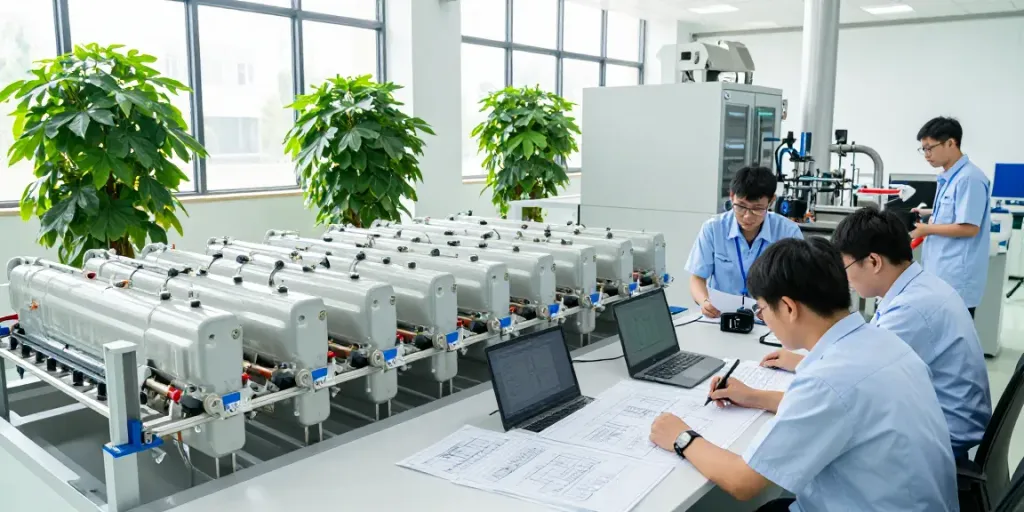
Understanding Integrated Modular Systems
Integrated Modular Systems represent a transformative approach in various industries, particularly in water treatment, construction, and manufacturing. These systems combine a multitude of functionalities into cohesive units, streamlining processes and enhancing operational efficiency. For companies seeking innovative solutions, exploring Integrated Modular Systems can provide comprehensive insights into how modularization can benefit their operations.
What Are Integrated Modular Systems?
Integrated Modular Systems are designed to consolidate various functionalities into a unified structure, resulting in enhanced efficiency and adaptability. These systems typically consist of pre-fabricated modules equipped with essential components that can be rapidly deployed in diverse environments. They are characterized by their flexibility and scalability, allowing businesses to expand or modify their operations without significant downtime or cost. This modular approach is crucial in sectors where rapid response to changing demands is essential.
Key Components and Technologies
- Modular Units: The building blocks of integrated systems, these units can vary in size and function depending on the application.
- Control Systems: Sophisticated control mechanisms that ensure the modules function seamlessly together, often integrated with IoT technologies.
- Support Infrastructure: Essential for the installation and maintenance of these systems, ensuring operational longevity and reliability.
- Communication Networks: Facilitate data sharing between modules, improving system responsiveness and efficiency.
Benefits of Integrated Modular Systems
The benefits of implementing Integrated Modular Systems are manifold:
- Enhanced Efficiency: By consolidating operations into fewer units, companies can reduce labor costs and improve response times.
- Cost-Effective: Modular systems reduce the need for extensive construction and installation, leading to lower capital expenditures.
- Scalability: Organizations can easily expand their capabilities by adding or modifying modules as necessary.
- Improved Quality Control: With controlled environments for production and treatment processes, product consistency and reliability increase significantly.
Applications of Integrated Modular Systems
Water Treatment Solutions
In the water treatment industry, Integrated Modular Systems are pivotal. They provide adaptable solutions tailored to specific water challenges, incorporating various technologies such as:
- Integrated Membrane Water Treatment System: Designed to remove contaminants using advanced membrane technologies.
- Chemical Treatment System: Introduces appropriate chemicals for effective water treatment, enhancing purification processes.
- DAF Integrated Treatment System: Specifically for wastewater containing suspended solids, integrating chemical dosing with sludge dewatering capabilities.
Industrial and Commercial Uses
Beyond water treatment, Integrated Modular Systems find applications in various industrial and commercial sectors where operational efficiency is critical. Industries like manufacturing, food and beverage, and pharmaceuticals utilize modular setups for:
- Streamlined Production Lines: Modular setups allow for quick adjustments in production processes to meet market demand.
- Flexible Facility Design: Facilities can be reconfigured to adapt to changing needs without significant renovation expenses.
Case Studies and Success Stories
Numerous organizations have successfully implemented Integrated Modular Systems, leading to significant performance improvements. For instance, a major food processing plant reduced its operational costs by 30% by shifting to an integrated modular approach, allowing flexibility in production volumes and enhancing product quality. These success stories highlight the potential for Integrated Modular Systems to revolutionize operational methods and deliver substantial ROI.
Implementing Integrated Modular Systems Effectively
Step-by-Step Installation Guide
Implementing Integrated Modular Systems requires careful planning and execution. Here is a basic installation guide:
- Assessment: Evaluate current systems and identify areas for improvement.
- Design: Collaborate with suppliers to design a system that meets your specific needs.
- Installation: Follow best practices and guidelines during the installation process to ensure system integrity.
- Testing: Conduct thorough testing to confirm that all components function correctly together.
- Training: Provide comprehensive training for staff on the new system.
Best Practices for Maintenance
Ongoing maintenance is critical to the success of Integrated Modular Systems. Key best practices include:
- Regular Inspections: Schedule routine checks to identify potential issues early.
- Documentation: Keep detailed records of maintenance activities for accountability.
- Continuous Training: Regularly train employees on system operation and maintenance practices.
Performance Monitoring Techniques
Monitoring the performance of Integrated Modular Systems ensures optimal functioning and quick identification of issues. Techniques include:
- Data Analytics: Use data collected from the system to analyze performance metrics.
- Feedback Loops: Implement systems for continuous feedback from users to refine operational processes.
Challenges and Considerations
Common Obstacles in Implementation
Despite their many benefits, Integrated Modular Systems may present challenges such as high initial costs and the need for specialized training. Understanding these obstacles allows organizations to be better prepared to face them head-on.
Addressing Misconceptions
Common misconceptions about Integrated Modular Systems include beliefs that they are only for large organizations or that they are too complex to implement. In reality, modular systems can be tailored for various sizes of organizations and can simplify processes rather than complicate them.
Future Trends in Integrated Systems
The future of Integrated Modular Systems looks promising, with trends leaning towards greater automation, integration with AI for predictive maintenance, and sustainability through energy-efficient designs. As technology evolves, so too will the capabilities of these systems, offering even more benefits to industries reliant on efficiency and flexibility.
Frequently Asked Questions
What is an example of a modular system?
An example of a modular system is the Integrated Membrane Water Treatment System, which integrates multiple filtration technologies within a single framework to enhance water treatment efficiency.
How much does a modular system cost?
The cost of a modular system varies widely based on the complexity and scale of the application, ranging from tens of thousands to millions of dollars.
What is modular integrated construction?
Modular integrated construction involves the use of pre-fabricated modules that are built in a factory setting and then transported to the site for quick assembly, reducing construction time and costs.
What is the difference between modular and integrated design?
Modular design refers to the use of independent units that can be combined, while integrated design focuses on the seamless interconnection of these units into a cohesive system.
How do integrated modular systems improve efficiency?
Integrated modular systems improve efficiency by reducing the need for manual processes, enabling quicker modifications, and facilitating real-time data monitoring for better decision-making.