Understanding the Role of a Manhattan Construction Manager
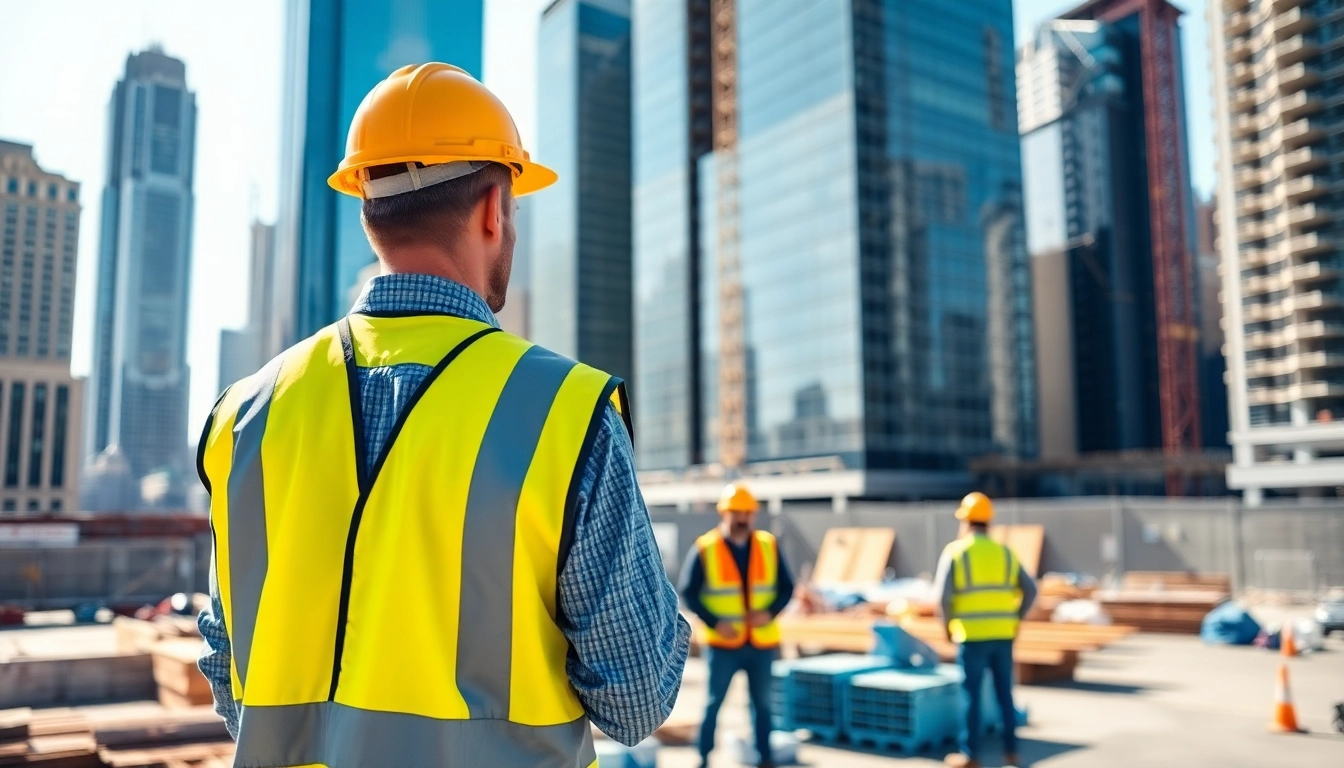
A Manhattan Construction Manager plays a pivotal role in overseeing various construction projects throughout New York City. They bridge the gap between architects, clients, and contractors, ensuring that every aspect of a project aligns with its intended vision while adhering to strict timelines and budgets. This role is not just about managing tasks; it requires a layered understanding of construction processes, logistics, and local regulations. A skilled Manhattan Construction Manager is critical to navigating the complexities of urban construction in one of the world's most bustling metropolises.
Key Responsibilities of a Manhattan Construction Manager
The responsibilities of a construction manager vary from project to project but typically include the following:
- Project Planning: Developing comprehensive project plans that outline timelines, costs, and resource allocations.
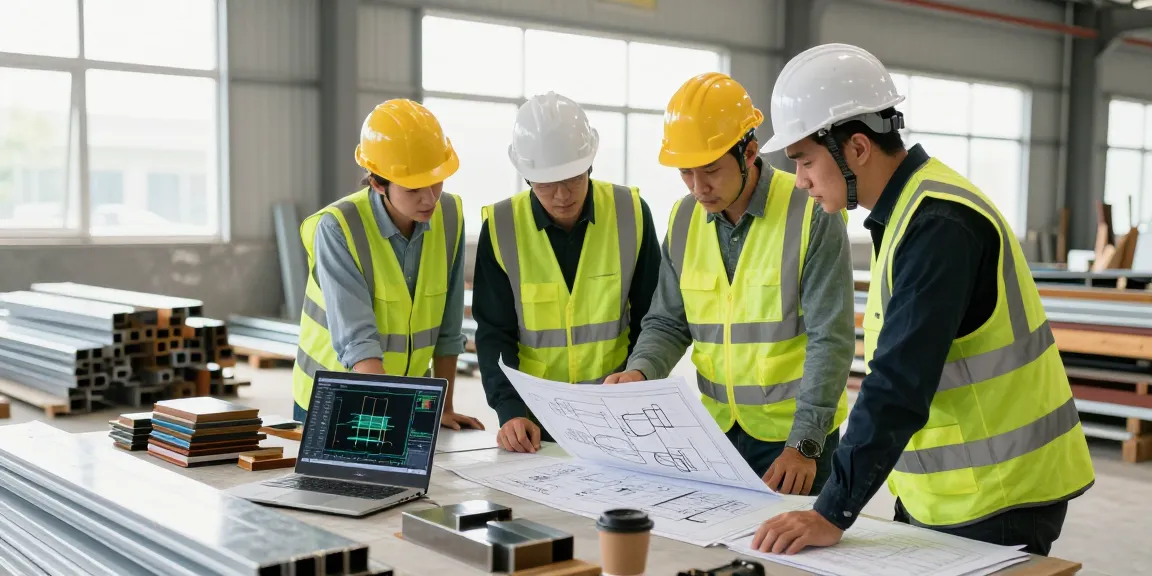
- Team Coordination: Collaborating with various teams, including architects, engineers, subcontractors, and suppliers to facilitate seamless communication.
- Budget Management: Monitoring project budgets and ensuring financial resources are allocated efficiently.
- Quality Control: Implementing quality assurance procedures to ensure that all work meets industry standards.
- Compliance Oversight: Ensuring adherence to local building codes, safety regulations, and labor laws.
Essential Skills Required
To excel as a Manhattan Construction Manager, certain core skills are essential:
- Leadership: The ability to lead and motivate diverse teams effectively.
- Communication: Strong verbal and written communication skills for detailed reporting and negotiation.
- Problem-Solving: Quick thinking and creativity to address challenges as they arise.
- Technical Proficiency: Understanding construction methods, materials, and technology.
- Financial Acumen: Skills in financial forecasting and budget management.
The Importance of Effective Communication
Clear communication is fundamental in managing construction projects, especially in a fast-paced environment like Manhattan. Regular updates between teams and stakeholders ensure everyone is aligned with project goals and timelines. A successful construction manager holds regular meetings, utilizes collaboration tools, and maintains an open line of communication to facilitate transparency. This not only enhances teamwork but also mitigates risks associated with miscommunication.
Challenges Facing Manhattan Construction Managers
Navigating Regulatory and Legal Requirements
One of the most significant challenges for construction managers in Manhattan is dealing with the city's stringent regulations and legal frameworks. Construction laws can be complex, and managing permits, licenses, and inspections requires considerable attention to detail. A construction manager must stay updated on changes in regulations and ensure compliance throughout the project lifespan to avoid costly delays and fines.
Managing Project Budgets and Resources
Staying within the budget is often a daunting task. Unexpected costs can arise from various sources including labor disputes, material shortages, or design changes. A skilled Manhattan Construction Manager must proactively monitor expenditures, adjust forecasts, and negotiate with suppliers to manage costs effectively. Utilizing project management software can also help visualize spending patterns and resource allocation.
Coping with Urban Construction Challenges
Urban environments present unique challenges such as limited space, high population density, and logistical constraints. Construction projects often face difficulties related to traffic management, safety protocols, and access to work sites. A successful Manhattan Construction Manager must develop creative solutions for these issues, leveraging available technology and infrastructure to minimize disruptions and maximize efficiency.
Best Practices for Successful Project Management
Creating a Detailed Project Plan
A detailed project plan serves as the foundation for managing construction projects. It should include timelines, budget estimates, risk assessments, and a clear scope of work. Effective planning anticipates potential hurdles and includes strategies for overcoming them. Engaging all stakeholders in the planning phase ensures their requirements and concerns are addressed early.
Implementing Risk Management Strategies
Every construction project has inherent risks, ranging from safety concerns to budget overruns. Identifying these risks early and devising mitigation strategies can save projects from significant setbacks. Regular risk assessments, coupled with contingency planning, enable construction managers to respond swiftly to unexpected events, maintaining project momentum.
Utilizing Technology in Construction Management
The integration of technology into construction management practices boosts efficiency and improves accuracy. Project management software, BIM (Building Information Modeling), and mobile applications are among the tools that streamline operations, enhance collaboration, and automate routine tasks. Embracing these technologies can lead to improved project outcomes and stronger stakeholder confidence.
Case Studies of Effective Manhattan Construction Management
Innovative Construction Techniques
In the realm of urban construction, innovation is paramount. Utilizing techniques such as modular construction, which allows for building components to be prefabricated off-site, reduces construction times and enhances quality control. Manhattan Construction Managers are at the forefront of adopting these innovative practices, driving efficiency in complex projects.
Lessons Learned from Underperforming Projects
Analyzing past projects that did not meet their objectives can provide invaluable insights. Identifying common pitfalls, such as insufficient risk assessment or poor stakeholder engagement, helps avoid repeating mistakes. Continuous learning from previous experiences fosters a culture of improvement within construction management teams.
Success Stories in New York City
Numerous construction projects in Manhattan exemplify effective management practices. Collaborating with city officials, construction teams have successfully revitalized buildings and public spaces, enhancing the urban landscape. These success stories serve as case studies for future projects, demonstrating the value of strategic planning, teamwork, and innovation.
Future Trends for Manhattan Construction Managers
Sustainability in Construction
Sustainability is becoming increasingly critical in construction management. Future projects will likely prioritize eco-friendly materials, waste reduction, and energy-efficient designs. A commitment to sustainability not only meets regulatory requirements but also aligns with growing consumer demand for environmentally responsible practices, proving beneficial for both the environment and a company’s reputation.
Adapting to Technological Advances
The construction industry is rapidly evolving with technological advancements. From augmented reality for project visualization to drones for site inspections, construction managers will need to adapt to these changes. Continuous professional development in technology will be essential for construction managers to maintain a competitive edge in the industry.
The Evolving Role of Construction Managers
As construction projects grow in complexity, the role of the Manhattan Construction Manager will continue to evolve. Emphasizing leadership skills, technical expertise, and flexibility will be crucial. A construction manager will not only manage projects but also contribute to strategic planning, community engagement, and integrate cutting-edge technologies, redefining the profession.
FAQs
What does a Manhattan Construction Manager do?
A Manhattan Construction Manager oversees construction projects, coordinating teams, managing budgets, and ensuring compliance with regulations. They act as the main point of communication among stakeholders.
What skills are necessary for success?
Key skills include leadership, effective communication, problem-solving, technical proficiency, and financial management. These skills help navigate the complexities of construction projects.
What are the biggest challenges faced in Manhattan construction?
Challenges include dealing with stringent regulations, budget management, and urban construction difficulties such as limited space and access.
How to improve project management practices?
Improving project management involves creating detailed project plans, implementing risk management strategies, and utilizing technology for better efficiency and collaboration.
What role does sustainability play in construction management?
Sustainability is increasingly prioritized, as companies adopt eco-friendly practices, materials, and energy-efficient designs to meet regulatory requirements and market demands.