Introduction to Bobcat
The bobcat loader has become a cornerstone in the fields of construction, landscaping, and various heavy-duty tasks. These versatile machines are known for their compact size and exceptional maneuverability, making them ideal for a myriad of applications. In the following sections, we will delve deeper into what a bobcat is, its common uses, and the advantages it offers for your projects.
What is a Bobcat?
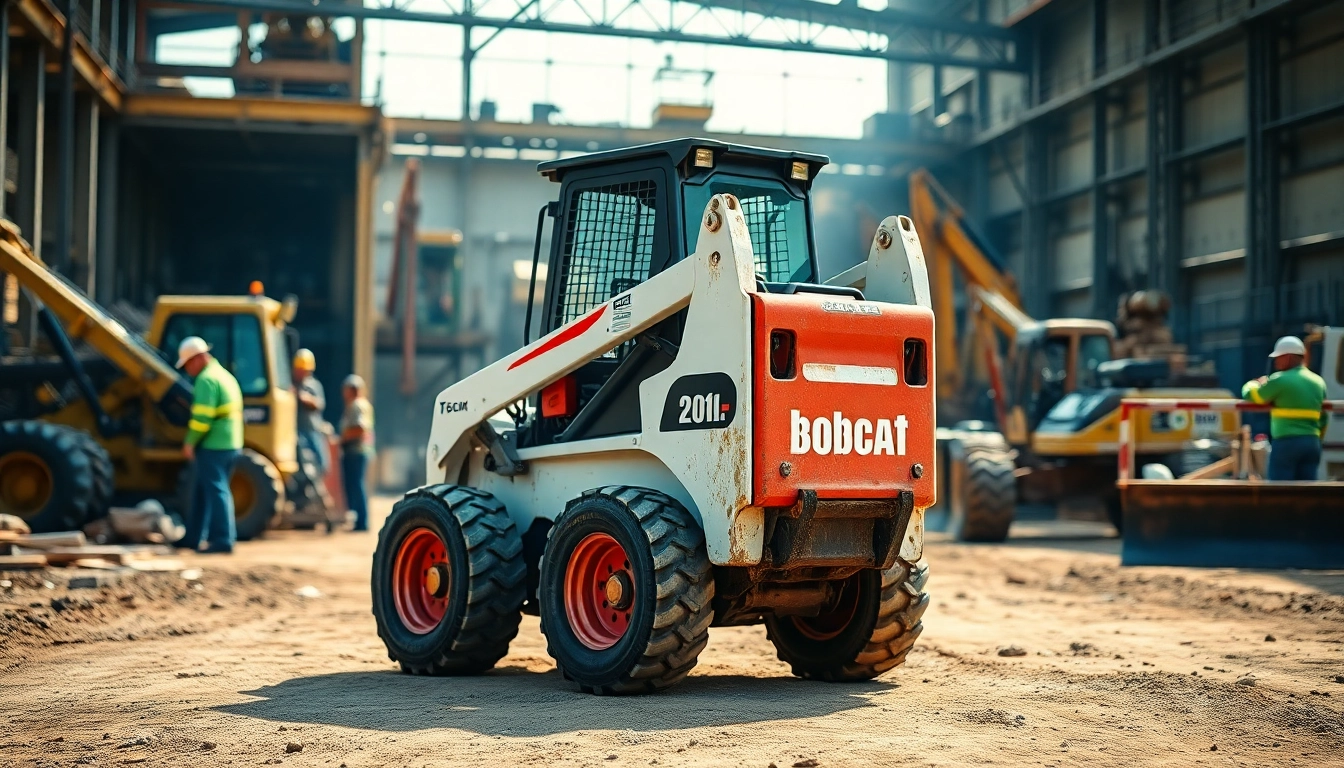
A bobcat, commonly referred to as a skid-steer loader, is a small, powerful, and agile piece of heavy equipment. It typically comes equipped with four wheels or tracks and features a hydraulic arm that can lift and carry various attachments. The unique design allows operators to maneuver them easily in tight spaces, unlike larger construction equipment. They can be utilized across a variety of environments, from residential landscaping to commercial construction sites.
Common Uses of Bobcat
Bobcats are exceptionally versatile machines, widely employed in many sectors. Here are some of the most common applications:
- Landscaping: Bobcats are perfect for grading, leveling, and moving soil or gravel, making them vital for landscaping projects.
- Construction: They are extensively used for excavating, lifting materials, and site preparation.
- Demolition: Compact and powerful, bobcats can clear debris and remove structures effectively.
- Agriculture: Farmers use bobcats for helping with various tasks around farms, including moving supplies and feeding animals.
- Snow Removal: In winter months, these machines can be outfitted with snow plows or blowers, providing essential assistance in snow management.
Why Choose Bobcat for Your Projects?
There are several compelling reasons to opt for a bobcat for your heavy equipment needs:
- Versatility: With multiple attachments available, a bobcat's functionality can expand beyond standard operations.
- Compact Size: Their small footprint allows them to work in confined areas without sacrificing power.
- Operator Convenience: Most bobcats feature user-friendly controls, making it easier to train new operators.
- Affordability: Compared to larger machinery, bobcats often come at a lower acquisition cost, appealing to both small businesses and individual contractors.
- Efficient Performance: Despite their size, bobcats are known for their robustness and effective performance in various conditions.
Bobcat Features That Stand Out
Engine Power and Performance
The performance of a bobcat is largely dictated by its engine power. These machines often feature powerful diesel or gasoline engines that deliver impressive horsepower and torque. They are designed to handle heavy loads, which is vital in construction and landscaping environments. Additionally, bobcats are engineered to provide efficient fuel consumption, keeping operational costs in check. With advancements in technology, newer models also include enhanced reliability and lower emissions, contributing to more sustainable operations.
Versatile Attachments for Different Tasks
One of the standout features of a bobcat is its ability to accommodate a wide range of attachments, dramatically enhancing its functionality. Here are some commonly used attachments:
- Buckets: Ideal for lifting and moving materials like dirt, gravel, or demolition debris.
- Augers: Useful for drilling holes for posts or foundations, making them essential for fencing and major construction.
- Pallet Forks: Allow operators to lift and transport heavy pallets of materials efficiently.
- Brush Cutters: Effective for land-clearing tasks, enabling operators to tackle overgrown vegetation easily.
- Snow Blades: Essential during winter months for clearing driveways, sidewalks, and parking lots.
Compact Design Benefits
The compact design of a bobcat makes it an excellent choice for projects in tight or restricted locations. Built to navigate small spaces without difficulty, these machines can operate in various environments without the risk associated with larger equipment. This aspect not only enhances their usability but also minimizes disruptions on job sites and reduces the risk of damage to peripheral structures or landscaping.
Cost Considerations When Choosing Bobcat
Purchase vs. Rental: Making the Right Choice
Deciding between purchasing or renting a bobcat is crucial for project cost management. Here are a few considerations:
- Project Duration: If you have a lengthy project requiring consistent use, purchasing might be more viable. Conversely, for short-term jobs, renting generally proves more economical.
- Financial Flexibility: Renting allows for better cash flow management, particularly important for small businesses or freelancers who may not have the capital for an outright purchase.
- Maintenance Responsibility: Renting means the rental agency typically covers maintenance, which can save both time and money. Ownership, on the other hand, requires responsible upkeep and investment in repairs.
Long-term ROI of Bobcat Equipment
Understanding the return on investment (ROI) associated with bobcat equipment is vital for budgeting and financial planning. Factors contributing to long-term ROI include:
- Efficiency Improvements: Increased productivity among crews will translate into more projects completed in less time.
- Broader Service Offering: Having a bobcat can enable businesses to take on more complex tasks, attracting a wider customer base.
- Durability: Bobcats are built to last, and their reliability can minimize downtime, ensuring consistent operational flow.
- Versatility Savings: The ability to switch between tasks quickly with different attachments can reduce the need for multiple machines and their associated costs.
Maintenance Costs to Consider
While bobcats generally require less maintenance than larger machinery, operational efficiency will hinge on keeping them in good working order. Key costs to consider include:
- Regular Inspections: Routine checks can identify potential issues before they become costly repairs.
- Oil Changes: Routine fluid changes help maintain engine health, with manufacturers often specifying mileage or time intervals for these changes.
- Parts Replacement: Over time, certain components will wear out and need replacement; budgeting for these costs keeps your equipment functioning optimally.
- Cleaning and Upkeep: Keeping the machine clean not only preserves its appearance but can also extend its working life by preventing corrosive build-up.
Safety Measures When Operating Bobcat
Essential Training for Operators
Operation of a bobcat requires proper training to ensure safety and efficiency. Employers and operators should invest in certified training programs that cover the essential operational skills and safety protocols. Training should include:
- Machine Familiarization: Operators should understand all the functions and controls of the bobcat.
- Safety Procedures: Knowledge of best safety practices can prevent workplace accidents.
- Emergency Procedures: Awareness of how to respond in the event of a malfunction can be crucial on-site.
Safety Gear and Equipment Requirements
Safety should be paramount when operating heavy machinery like a bobcat. Operators must wear appropriate personal protective equipment (PPE), including:
- Hard Hats: Protects against head injuries from potential falling debris.
- High-Visibility Vests: Ensures visibility on job sites, reducing the risk of accidents.
- Steel-Toed Boots: Protects feet from heavy objects or machinery.
- Gloves and Eye Protection: Ensures hands and eyes are safeguarded from hazardous materials or flying debris.
Common Safety Protocols to Follow
Establishing safety protocols is essential for all job sites where a bobcat is in operation. Key protocols include:
- Conducting Pre-Operation Inspections: Operators should check the bobcat for any signs of wear or malfunction before use.
- Clear Work Areas: Keep debris and obstacles clear from work zones to prevent accidents.
- Communication: Use hand signals or radios to coordinate movements among workers effectively.
- Implementing Load Limits: Only lift and carry loads that the bobcat can handle according to manufacturer specifications.
Frequently Asked Questions
What types of projects are ideal for a bobcat?
Bobcats excel in landscaping, construction, and demolition projects, providing versatility and efficiency in tight spaces.
Can I rent a bobcat for a small project?
Renting a bobcat is a flexible and cost-effective option for small or seasonal projects, allowing access without long-term commitment.
What attachments can be used with a bobcat?
Bobcats can use a variety of attachments, including buckets, augers, and pallet forks, bolstering their functionality for diverse tasks.
How do I maintain a bobcat effectively?
Regular inspections, timely oil changes, and thorough cleaning are crucial for maintaining a bobcat's performance and lifespan.
Is training required to operate a bobcat?
Yes, operator training is essential for safe and efficient bobcat operation, significantly reducing workplace risks.