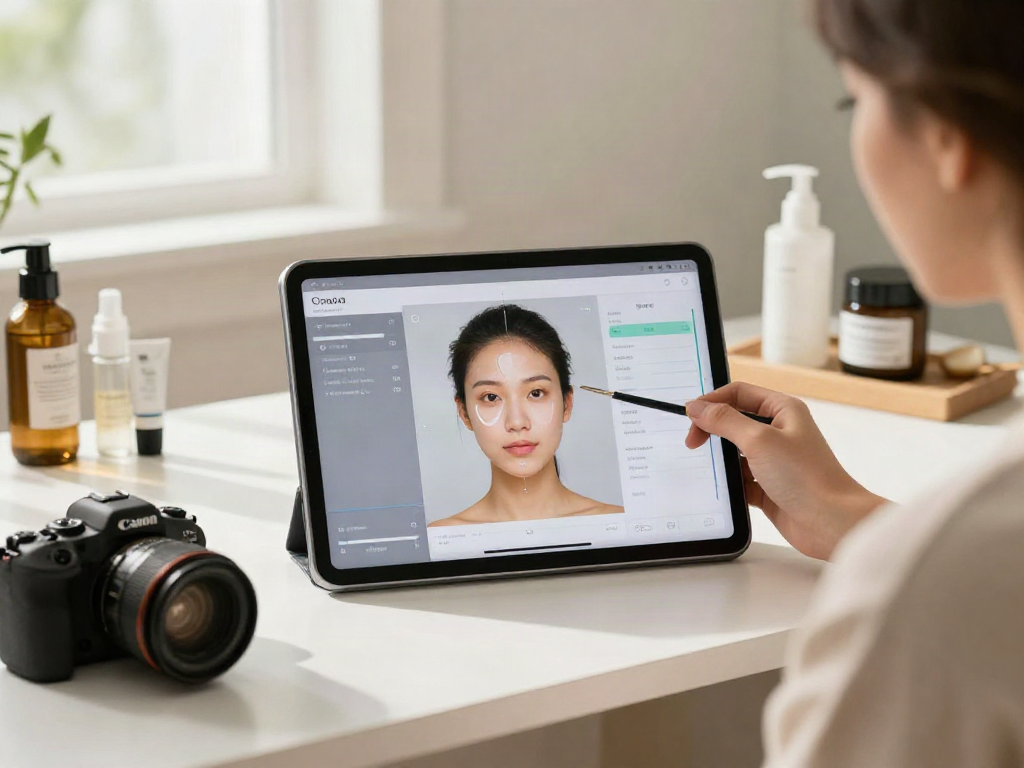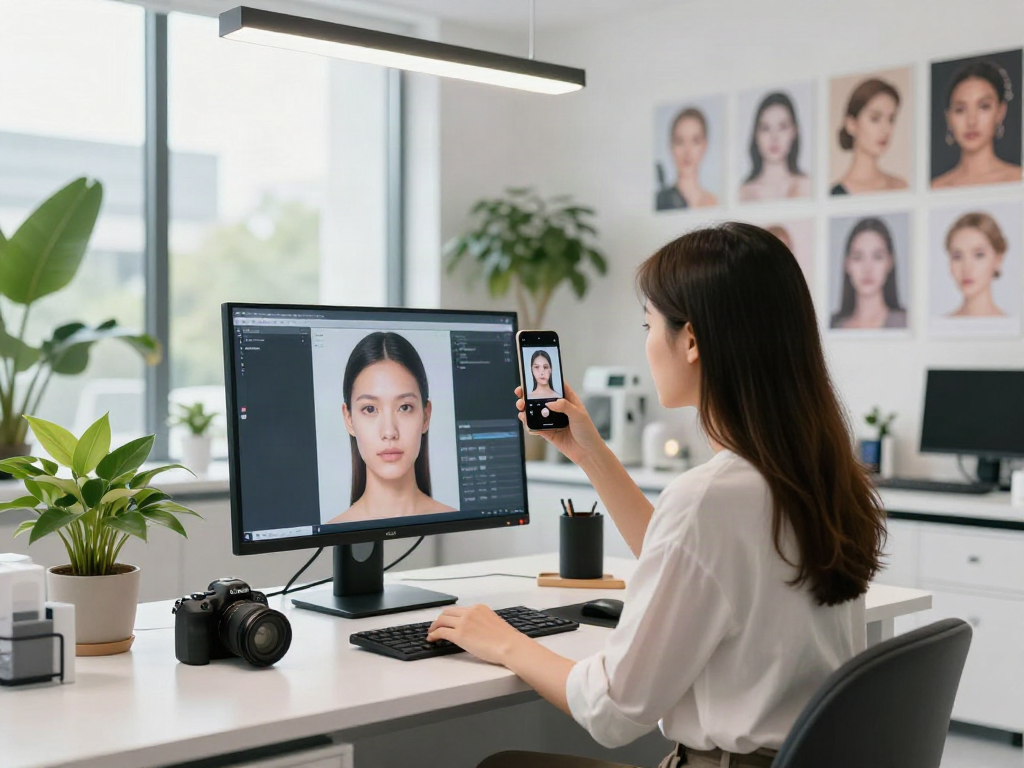
Understanding Attractiveness Testing
In an age where digital interactions often dictate social dynamics, the curiosity surrounding personal attractiveness has surged. Attractiveness tests, driven by artificial intelligence, provide a window into how facial features are perceived based on various aesthetic criteria. These tests have gained traction among individuals seeking validation or simply a fun way to engage with their appearance. For those looking to delve into this fascinating world, resources to test attractiveness are readily available, showcasing the intersection of technology and beauty.
What is an Attractiveness Test?
An attractiveness test is a digital or scientific assessment designed to evaluate a person's facial features and provide a score based on perceived beauty standards. These tests typically use algorithms that analyze features like symmetry, proportion, and ratios, often comparing them to established ideals such as the golden ratio. The underlying principle is that certain facial features are universally perceived as more attractive, leading to a baseline score that ranges from a simple 1 to 10 or a more complex percentage representation.
The Science Behind Facial Attractiveness
Attractiveness has deep roots in evolutionary biology, psychology, and aesthetics. Studies suggest that facial symmetry is a primary indicator of beauty, as it is often associated with health and genetic fitness. Moreover, ratios such as the distance between the eyes, nose length, and jawline structure play significant roles in how faces are perceived. For example, a study published in the journal "Human Nature" noted that people generally prefer faces with features that are more evenly spaced and proportioned, linking these preferences to ancestral survival instincts.
Different Types of Attractiveness Tests
Numerous types of attractiveness tests are available, each utilizing different methodologies:
- AI-Powered Tests: These employ machine learning algorithms to analyze images and provide detailed ratings based on facial metrics.
- Subjective Surveys: These involve user input or peer assessments, where individuals rate each other's attractiveness based on personal perceptions.
- Facial Analysis Tools: Such tools evaluate specific features like skin condition, facial symmetry, and the golden ratio to provide a comprehensive score.
- Mobile Apps: Many applications offer fun, engaging ways for users to upload photos and receive instant feedback on their attractiveness.
How to Prepare for an Attractiveness Test
Successfully navigating an attractiveness test involves strategic preparation. Choosing the right photo, ensuring optimal lighting, and even considering your expression can significantly impact the outcome. Below are the key elements to consider.
Choosing the Right Photo for Analysis
The photo you select can heavily influence your score. It's advisable to choose a clear, high-resolution image that captures your face directly. Natural lighting is ideal, as it minimizes shadows and highlights your features accurately. Aim for a neutral or pleasant expression, as different emotions can affect the perception of attractiveness.
Tips for Maximizing Test Accuracy
To enhance accuracy, follow these guidelines:
- Keep It Natural: Avoid heavy makeup or filters that can distort your true features.
- Head-On Angle: A straight-on profile is often preferred for analysis, as it provides the best view of your symmetry and proportions.
- Simple Background: A clean, unobtrusive background helps to focus attention on your facial features.
Common Mistakes to Avoid During Testing
Many individuals may inadvertently compromise their test results by making these common mistakes:
- Using Outdated Photos: Always choose a recent image to ensure that the analysis reflects your current appearance.
- Overexposing or Underexposing the Image: Ensure proper exposure to highlight features without losing detail or clarity.
- Ignoring Test Instructions: Follow any specific guidelines provided by the testing platform for the most reliable results.
Interpreting Your Attractiveness Score
Receiving your score can be both exhilarating and daunting. Understanding what your score signifies and the factors influencing it is crucial for context.
Understanding Score Ratings and What They Mean
Attractiveness scores generally range from 1 to 10 or 0 to 100, with higher numbers indicating a perceived higher level of attractiveness. Scores are often derived from statistical analyses of facial features against established beauty norms. A score of 7 or above is typically viewed as attractive, but interpretations can vary based on cultural and social contexts.
Factors Influencing Your Attractiveness Score
Multiple factors can affect your score, including:
- Facial Symmetry: As mentioned earlier, symmetry plays a vital role in attractiveness.
- Proportionality: Features that maintain ideal ratios are often rated higher.
- Skin Quality: Clear, healthy skin can elevate perceived attractiveness.
- Expressions: A friendly or confident expression can positively influence perceptions.
Comparing Scores Across Different Tests
It's important to note that not all attractiveness tests are created equal. Scores may vary significantly between platforms due to different methodologies and algorithms. Comparing results across tests can provide a more rounded view of your attractiveness, but it’s advisable to focus on the general trends rather than specific numbers.
Improving Your Attractiveness Score
If you wish to enhance your attractiveness score, there are several practical steps you can take that focus on facial features, skincare, and overall confidence.
Practical Tips for Enhancing Facial Features
To improve your facial features, consider these strategies:
- Facial Contouring: Makeup techniques can enhance your natural features, adding definition and balance.
- Grooming: Regular grooming, including haircuts and eyebrow shaping, can significantly impact your overall appearance.
- Healthy Lifestyle: A well-balanced diet, hydration, and regular exercise contribute to better skin and body aesthetics.
Skincare Routines and Products to Consider
Investing in a robust skincare routine can make a notable difference in how your skin appears in photographs:
- Cleansers: Use a gentle cleanser to keep your skin free of impurities.
- Moisturizers: Hydrate your skin to maintain elasticity and a youthful look.
- Sunscreen: Protecting your skin from UV damage is paramount for long-term health and appearance.
The Role of Confidence in Perceived Attractiveness
Confidence is often cited as one of the most attractive qualities a person can possess. Individuals who exude self-assurance tend to draw others in, regardless of their physical attributes. Building confidence can involve:
- Positive Self-Talk: Encourage yourself with affirmations to enhance your self-image.
- Social Engagement: Engaging with others can bolster self-esteem and showcase your personality.
- Personal Development: Pursuing hobbies and interests can lead to a more fulfilled life, enhancing your overall attractiveness.
Future Trends in Attractiveness Testing (2026 and Beyond)
The landscape of attractiveness testing is continuously evolving, aided by advancements in technology and shifting societal norms. Here are some trends to watch for as we move toward 2026 and beyond.
Emerging Technologies in Beauty Assessment
The next wave of beauty technology may include augmented reality (AR) applications that allow users to visualize enhancements in real-time. These tools could provide instant feedback and personalized beauty recommendations, potentially revolutionizing how individuals approach their attractiveness.
Social Impact of AI on Beauty Standards
As attractiveness tests become more mainstream, their influence on societal beauty standards may grow. Discussions around realism, diversity, and inclusivity in beauty perceptions are becoming increasingly prominent. AI could play a role in democratizing beauty by offering a wider array of standards that reflect cultural differences.
Predictions for Attractiveness Testing Innovations
Looking ahead, we might see developments such as:
- Integration of Biofeedback: Algorithms may incorporate physiological responses to assess confidence levels as part of attractiveness.
- Customized Beauty Solutions: Test results may lead to tailored recommendations for skincare and grooming based on individual assessments.
- Advanced Predictive Analysis: AI may evolve to predict future attractiveness trends based on changing societal preferences.
How can I test my attractiveness?
To test your attractiveness, various online platforms and mobile apps offer quick and fun tests. Simply upload a photo and receive an analysis based on various beauty metrics.
Is 7 out of 10 considered attractive?
A score of 7 out of 10 is generally deemed attractive by many standards, although perceptions may vary across different cultures and individual preferences.
Is there an accurate attractiveness test?
While many tests strive for accuracy, results can differ based on methodology. AI-powered tests offer a more data-driven approach, but individual assessments will always be subjective.
Is a 6.5 out of 10 attractive?
Yes, a score of 6.5 can be seen as attractive, especially when considering the nuances of personal and cultural preferences in beauty.
What factors do attractiveness tests analyze?
Attractiveness tests typically evaluate facial symmetry, proportion, feature quality, and overall aesthetic appeal to provide a comprehensive score.