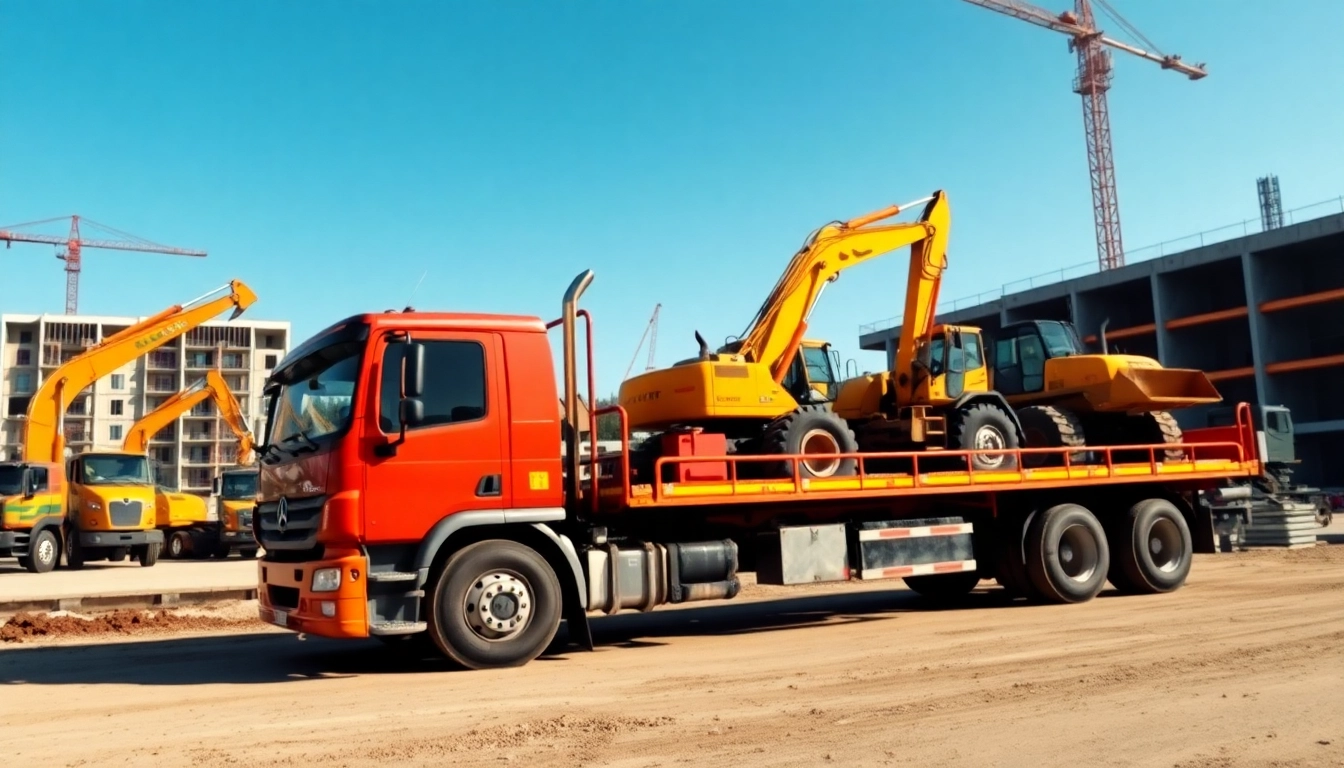
Understanding Equipment Transport
What is Equipment Transport?
Equipment transport involves the movement of machinery and heavy items from one location to another, adhering to specific regulations and safety protocols. This often includes transporting construction machinery, farm equipment, and other large assets requiring specialized handling. Efficient equipment transport services ensure that these items arrive safely and on time, minimizing operational downtime for businesses.
The Importance of Equipment Transport
Effective equipment transport is critical for various industries, ranging from construction to agriculture. It allows businesses to operate seamlessly across locations, facilitating quicker project initiation and completion. Reliable transportation also ensures that machinery is available when needed, directly impacting productivity. Additionally, having well-managed equipment transport connections can reduce costs, enhance service delivery, and improve overall supply chain efficiency.
Types of Equipment Transport Services
There are several types of equipment transport services available, tailored to meet the varying needs of different sectors. These include:
- Flatbed Trucking: Ideal for transporting large construction equipment like excavators and loaders, flatbed trucks offer stability and ample space.
- Step Deck Trailers: Suitable for taller equipment that requires more height accommodations, providing a lower loading height for easier access.
- Heavy Haul Trailers: Designed for oversize loads, these specialized trailers can manage significant loads in compliance with legal weight limits.
- Hotshot Services: These expedited transport solutions are perfect for urgent deliveries, catering to time-sensitive projects.
Best Practices for Equipment Transport
Planning Your Transport
Planning is a pivotal element of equipment transport that can minimize risks and ensure timely delivery. Businesses should start by assessing the types of equipment being transported. Important factors to consider include:
- Route assessment to identify challenges like low bridges or weight restrictions.
- Scheduling transport during off-peak hours to avoid traffic congestion.
- Communicating closely with the transport company to align on timings and procedures.
Choosing the Right Vehicle for Equipment Transport
Selecting the correct vehicle is essential for safe and efficient transport. Key considerations include:
- The size and weight of the equipment.
- Load compatibility with trailer types to ensure safe loading and transportation.
- Environmental factors such as road conditions that may affect vehicle performance.
Safety Protocols During Equipment Transport
Ensuring safety during transport is paramount. Common protocols include:
- Securing all equipment using chains, straps, and other restraints to prevent movement during transit.
- Conducting pre-transport inspections to ensure vehicles and equipment are in optimal condition.
- Adhering to all local laws and regulations regarding oversized loads, which may include the need for escort vehicles.
Challenges in Equipment Transport
Weather-Related Difficulties
Inclement weather can significantly impact transport schedules and safety. Rain, snow, and extreme temperatures can affect road conditions and vehicle handling. It’s vital to monitor weather forecasts and adjust transport plans accordingly to mitigate risks associated with adverse weather.
Regulatory Issues and Compliance
Complying with federal, state, and local regulations is essential for legal equipment transport. Businesses must be aware of:
- Weight and size limitations imposed by transport authorities.
- Permits required for special loads, particularly those exceeding standard dimensions.
- Documentation for cross-state transports, including licensing and insurance requirements.
Cost Management Strategies
Controlling costs associated with equipment transport is crucial for maintaining profitability. Strategies include:
- Negotiating bulk transport rates with providers.
- Utilizing route optimization tools to reduce fuel and time expenses.
- Regular maintenance of equipment to avoid unexpected breakdowns and related costs.
Innovative Solutions for Equipment Transport
Technological Advances in Transport Logistics
Modern technology has greatly enhanced equipment transport logistics, providing businesses with sophisticated tools to optimize their operations. Innovations like GPS tracking, dynamic routing software, and freight management systems enable real-time oversight of deliveries, improving response times and reducing the likelihood of mishaps.
Using Tracking Systems for Transparency
Implementing tracking systems allows businesses to monitor their equipment throughout the transportation process. This transparency improves communication with stakeholders and enhances customer satisfaction by providing accurate delivery updates. Stakeholders can track shipments online, reducing anxiety associated with delayed deliveries.
Eco-Friendly Equipment Transport Options
As businesses strive to reduce their environmental impact, eco-friendly equipment transport options are gaining traction. These can include:
- Using fuel-efficient vehicles and alternative energy sources.
- Consolidating shipments to maximize load efficiency and minimize trips.
- Implementing eco-conscious practices throughout the transport process.
Frequently Asked Questions about Equipment Transport
What types of equipment can be transported?
Equipment transport encompasses a wide variety of machinery, including construction equipment, agricultural machinery, industrial tools, and heavy vehicles.
How do I ensure my equipment is safe during transport?
To ensure safety, secure your equipment properly with tie-downs and straps, conduct pre-transport inspections, and adhere to all safety regulations.
What is the typical cost of equipment transport services?
The cost varies significantly based on distance, load size, type of transport service, and any special permits required. Always request quotes to compare prices.
Do I need special permits for equipment transport?
Yes, especially for oversized or overweight loads. Check local regulations to determine the necessary permits for your transport needs.
How long does the equipment transport process usually take?
Transport duration varies by distance and route conditions. It's essential to factor in potential delays due to traffic or weather when planning.
Contact Information
Call Us: 4062607988Address: 3906 MT-40, Columbia Falls, MT 59912